
Grants
Tackling environmental threats
River Findhorn habitat restoration
£10,696 awarded
Grantee: Wild Things Environmental Education in Action
Duration: 10 months (May 2026 to March 2027)
This project addresses the growing environmental threat posed by invasive non-native species (INNS) along the lower River Findhorn.
Background
The increasing prevalence of invasive non-native species (INNS) has become an urgent matter of environmental concern in Scotland. It is estimated that the cost to the economy is between £250 million to over £499 million per year.
The Project
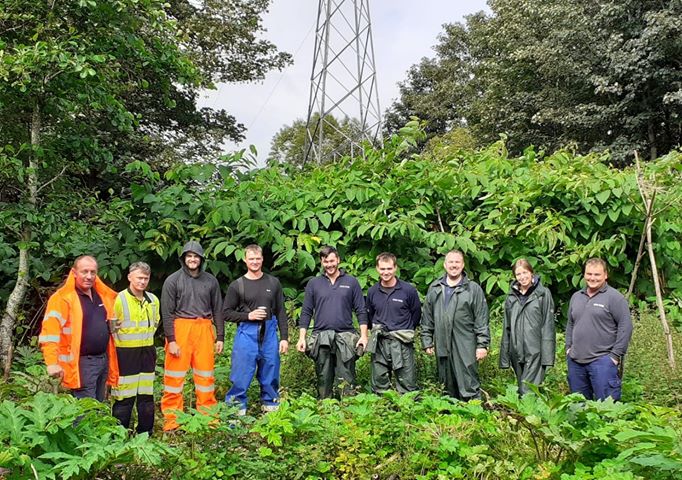
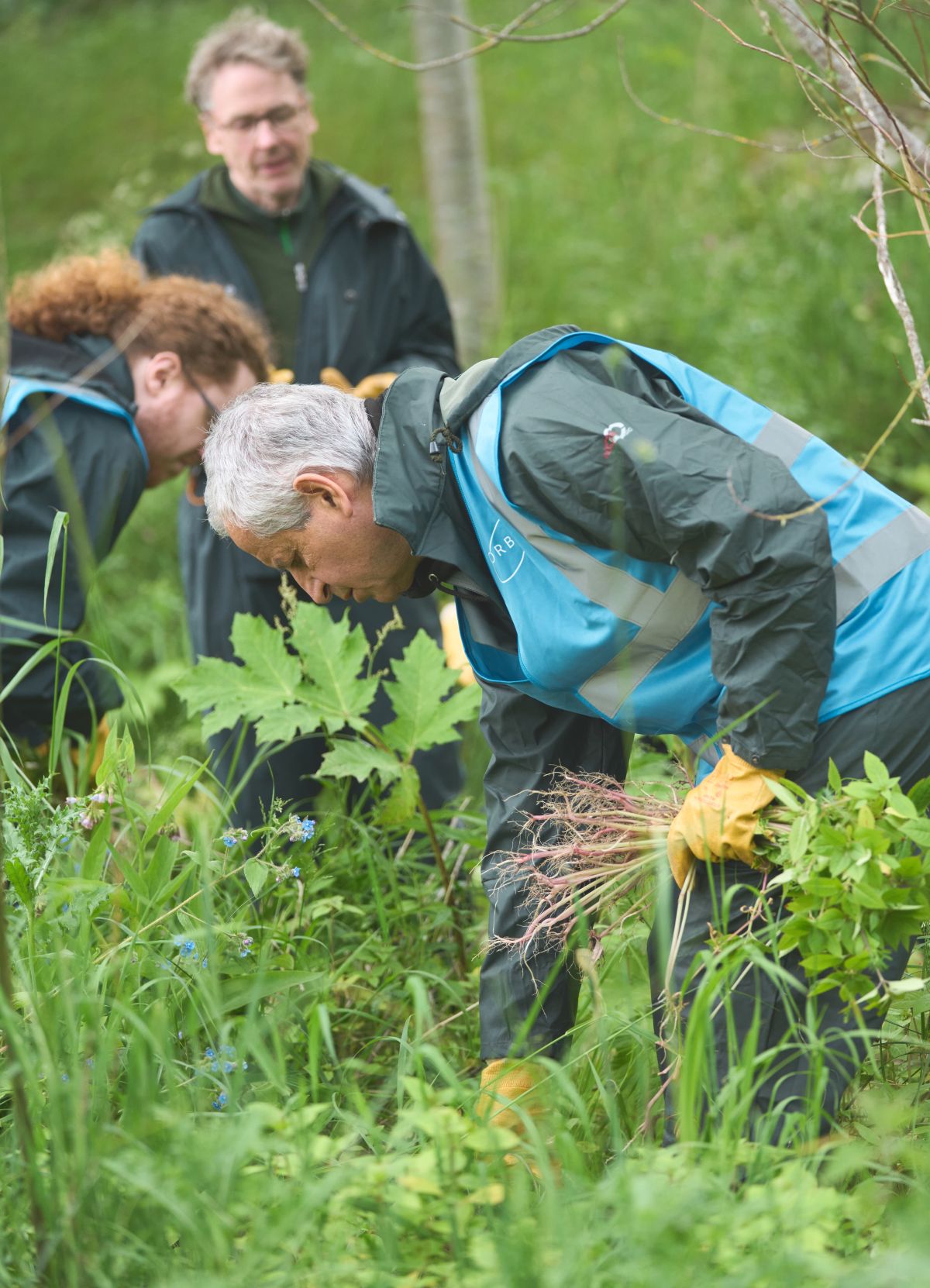
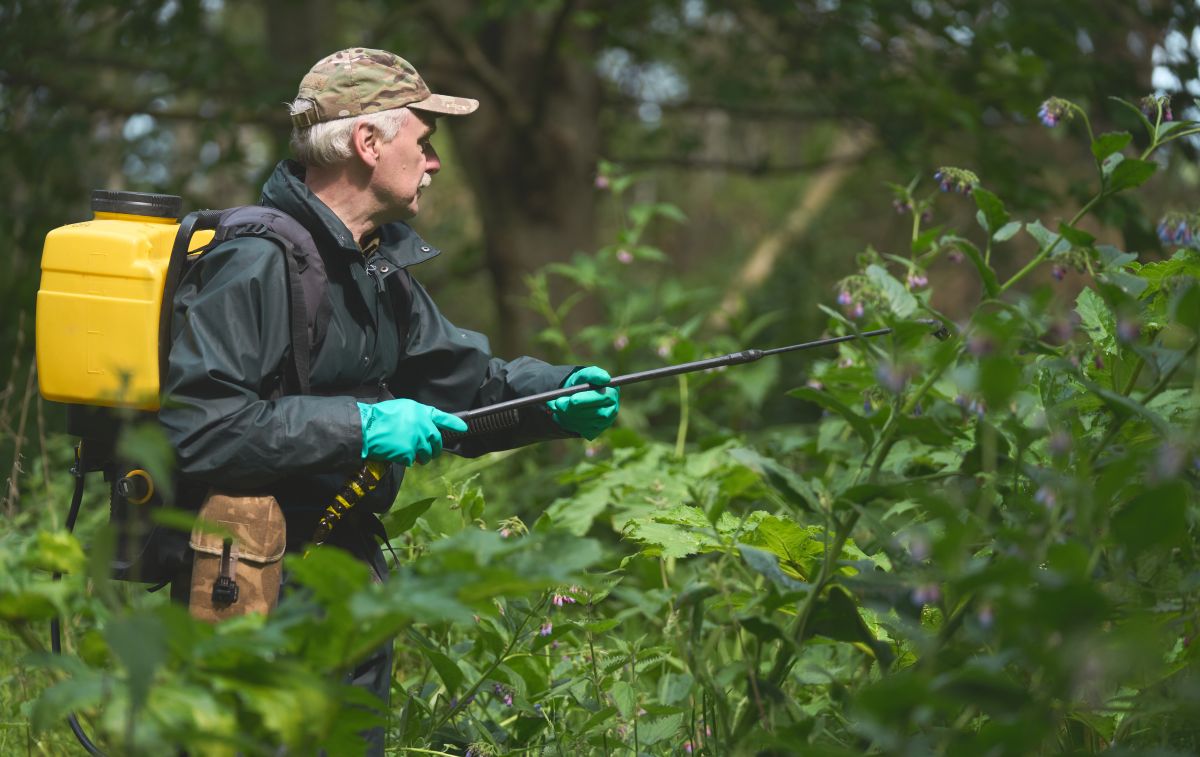
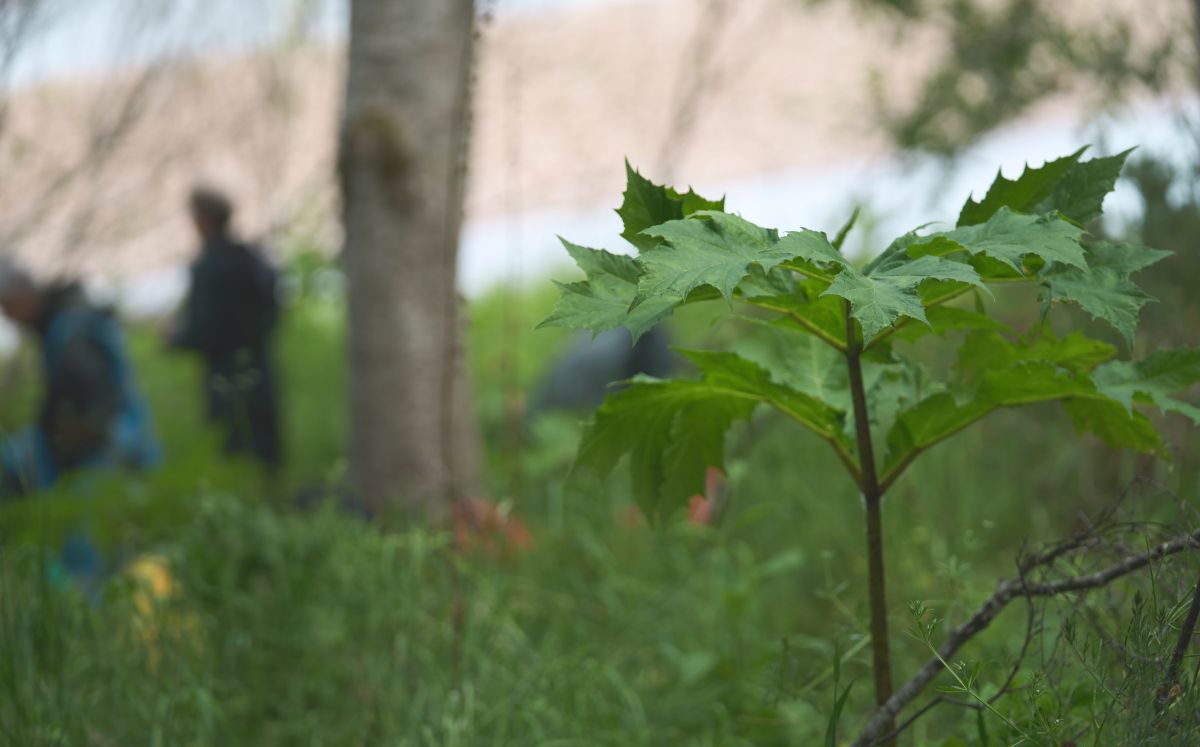
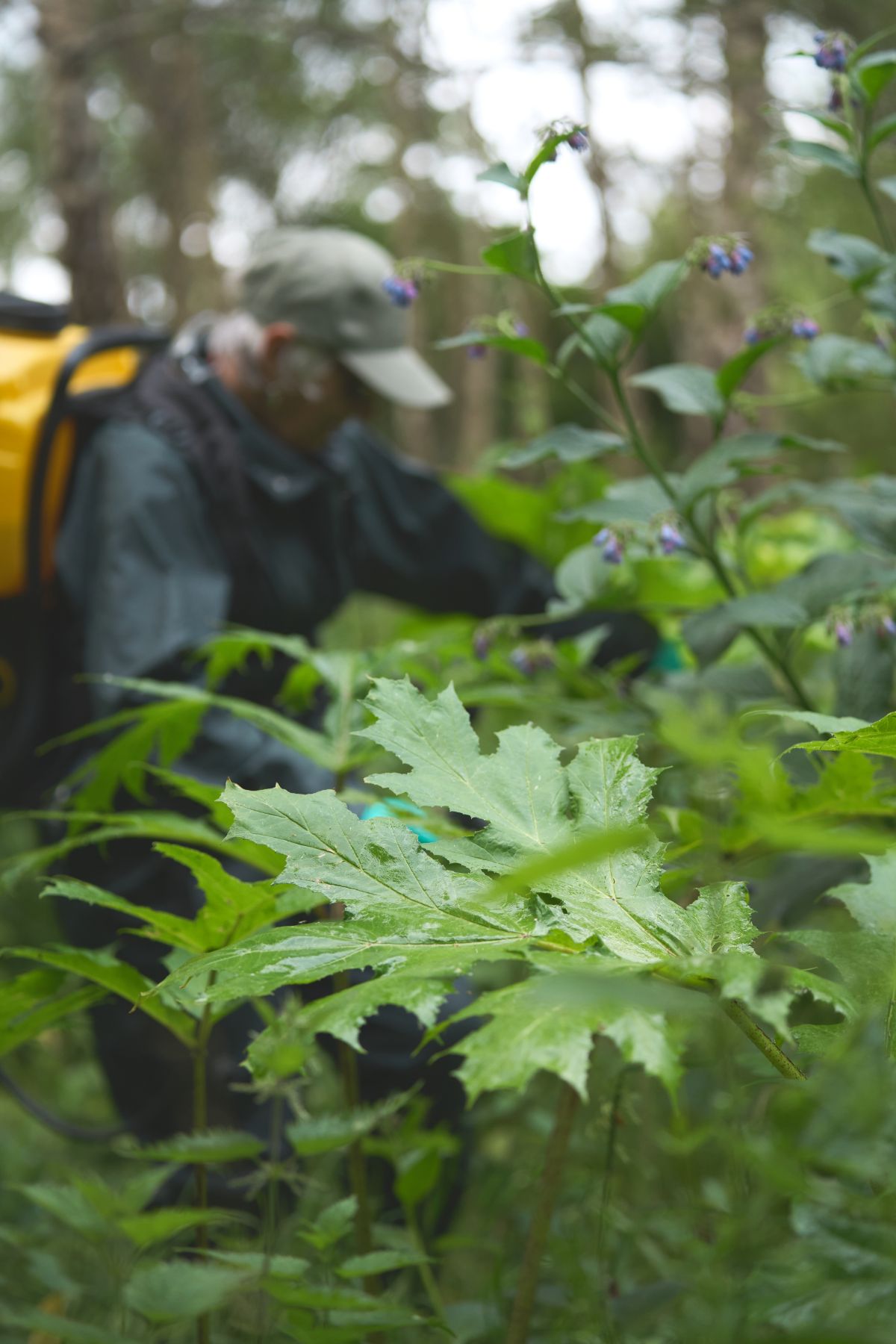
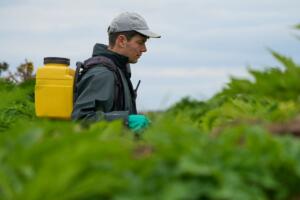
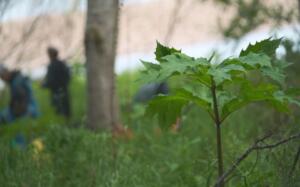
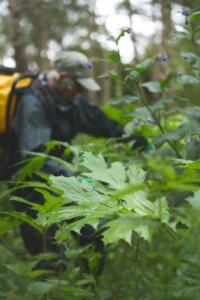
The lower River Findhorn catchment area contains uniquely important and much-loved riparian habitat. In recent years, the riverbank and adjacent woodland areas have been dominated by INNS such as Himalayan balsam, Japanese knotweed and giant hogweed. Of these, giant hogweed is of particular concern due to the threat it poses to human health due to its phototoxic sap. Its domineering reproductive cycle and its ability to vastly outcompete native flora and fauna has transformed this rich, riparian woodland and SSSI local nature reserve into a dense giant hogweed jungle.
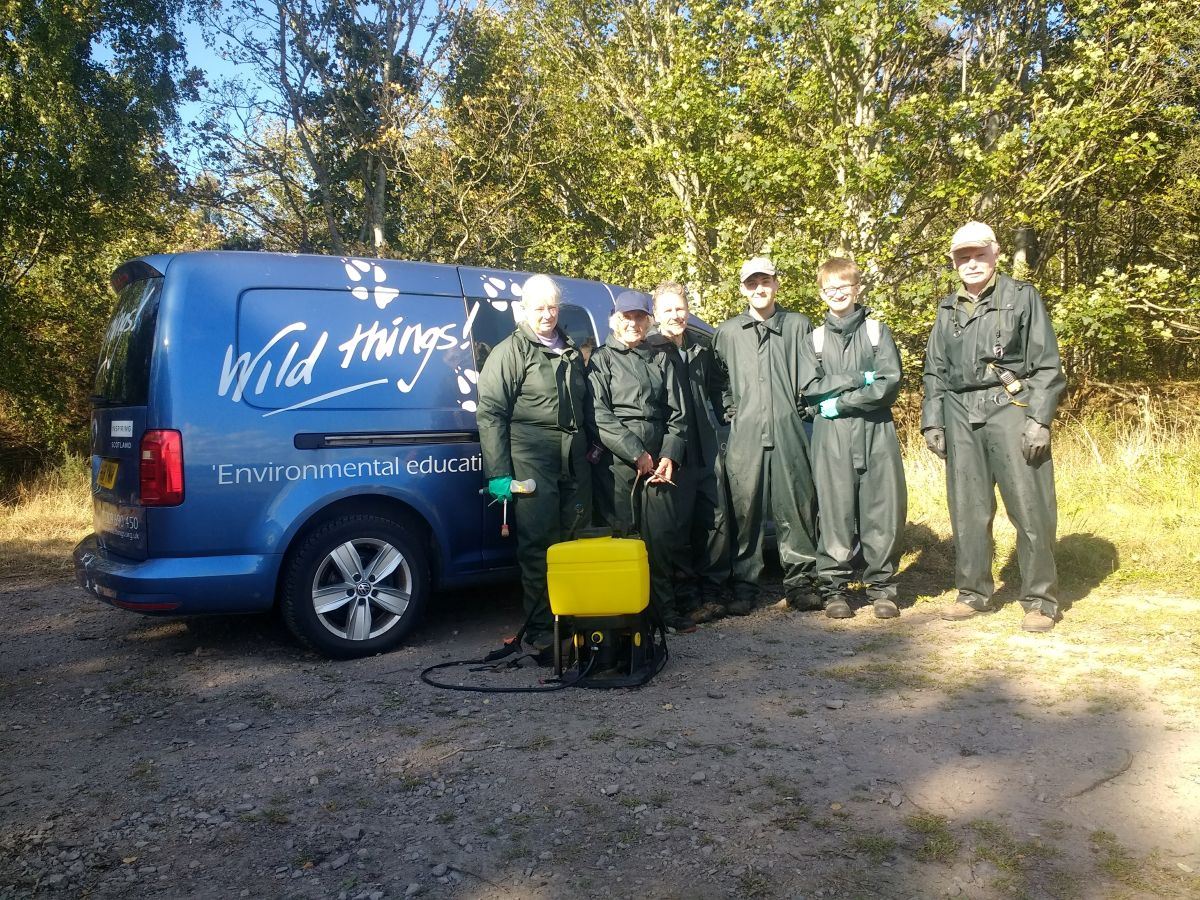
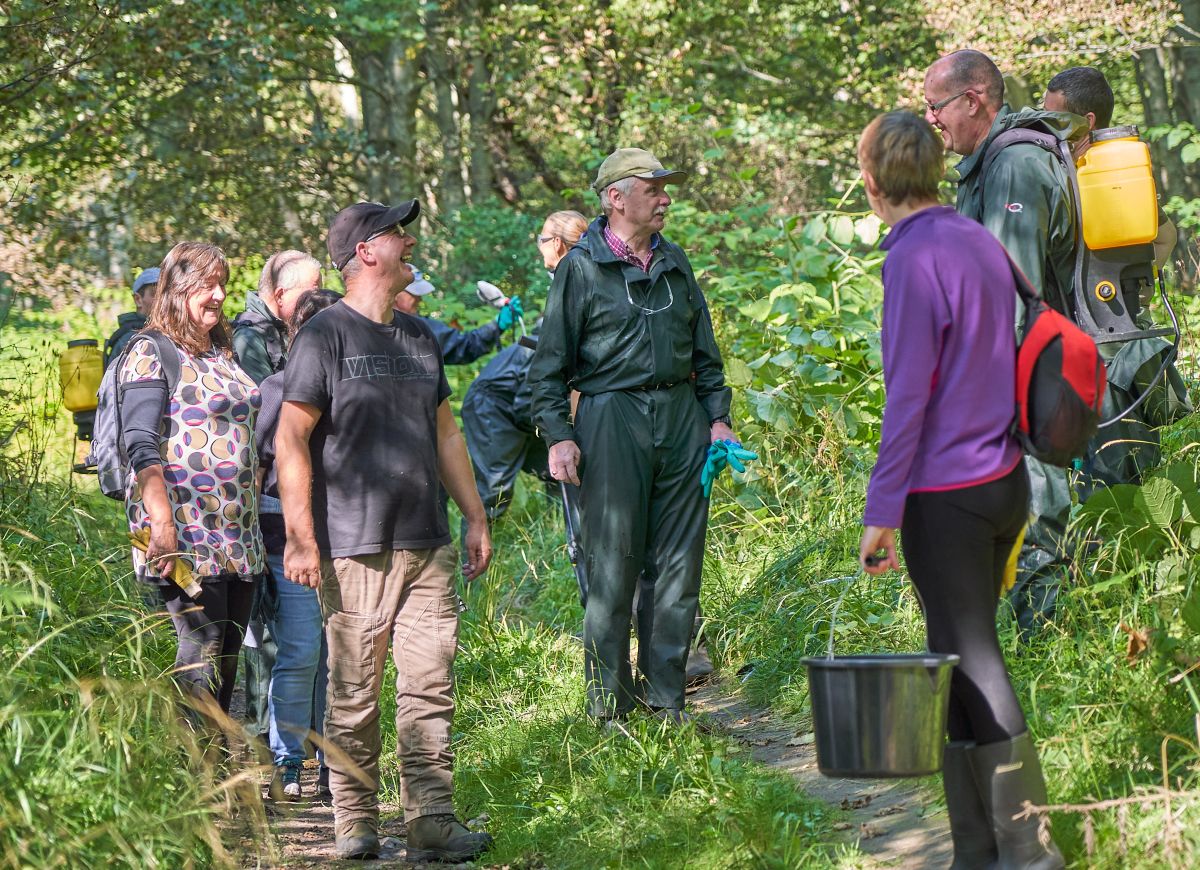
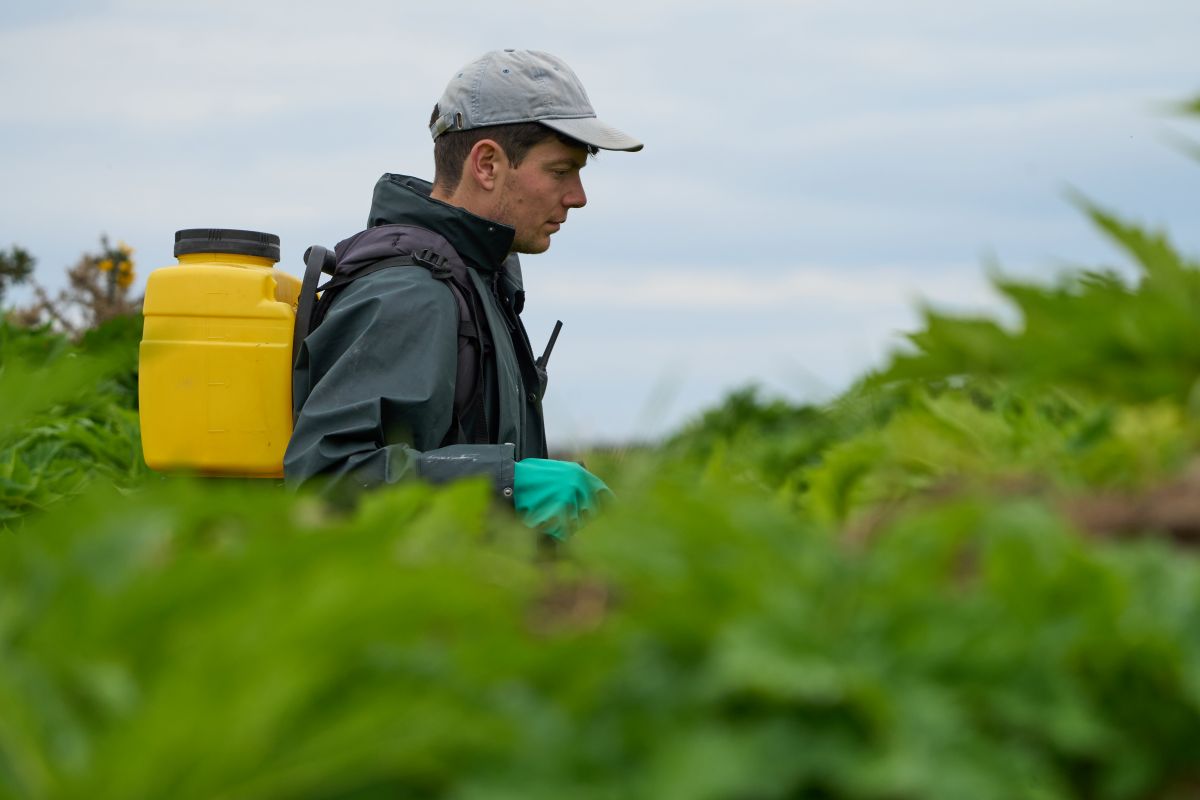
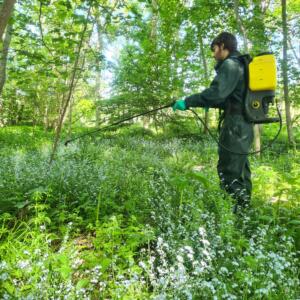
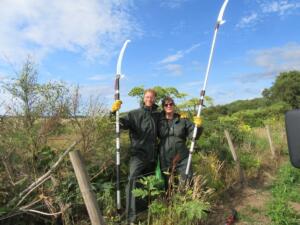
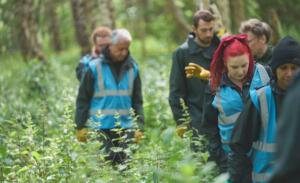
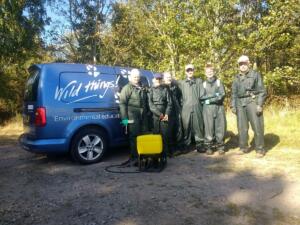
This project is a continuation of a 10-year effort, led by local charity Wild Things, to tackle this extensive infestation of INNS. This year, the team will take on approximately 30 action days, coordinated by paid staff and involving local volunteers. Each action day removes between 600 – 2000+ invasive plant species, with activity coordinated strategically for maximum treatment effectiveness.
CEO Luke Strachan said: “Most people are unaware that Scotland’s own Day of the Triffids is already upon us – Giant Hogweed grows to more than 12ft tall, has photo-toxic sap that causes severe burns, undermines our riverbanks and water quality while simultaneously crowding out our native plants and the species that rely on them.
Without urgent action, invasive non-native species such as giant hogweed, Himalayan balsam, Japanese knotweed, rhododendron ponticum and many others are threatening to dramatically undermine already strained Scottish biodiversity and the accessibility of wild space to local communities.”
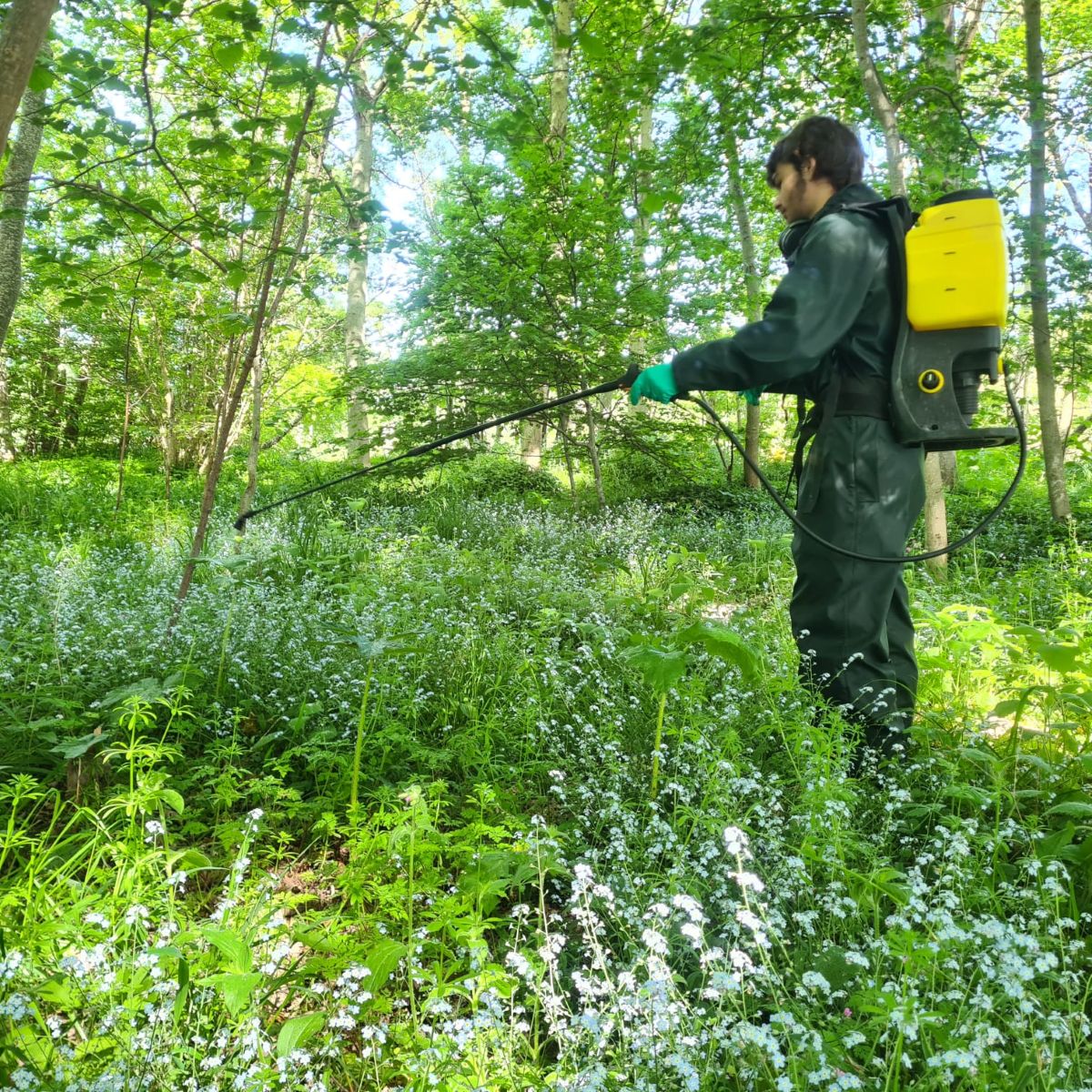
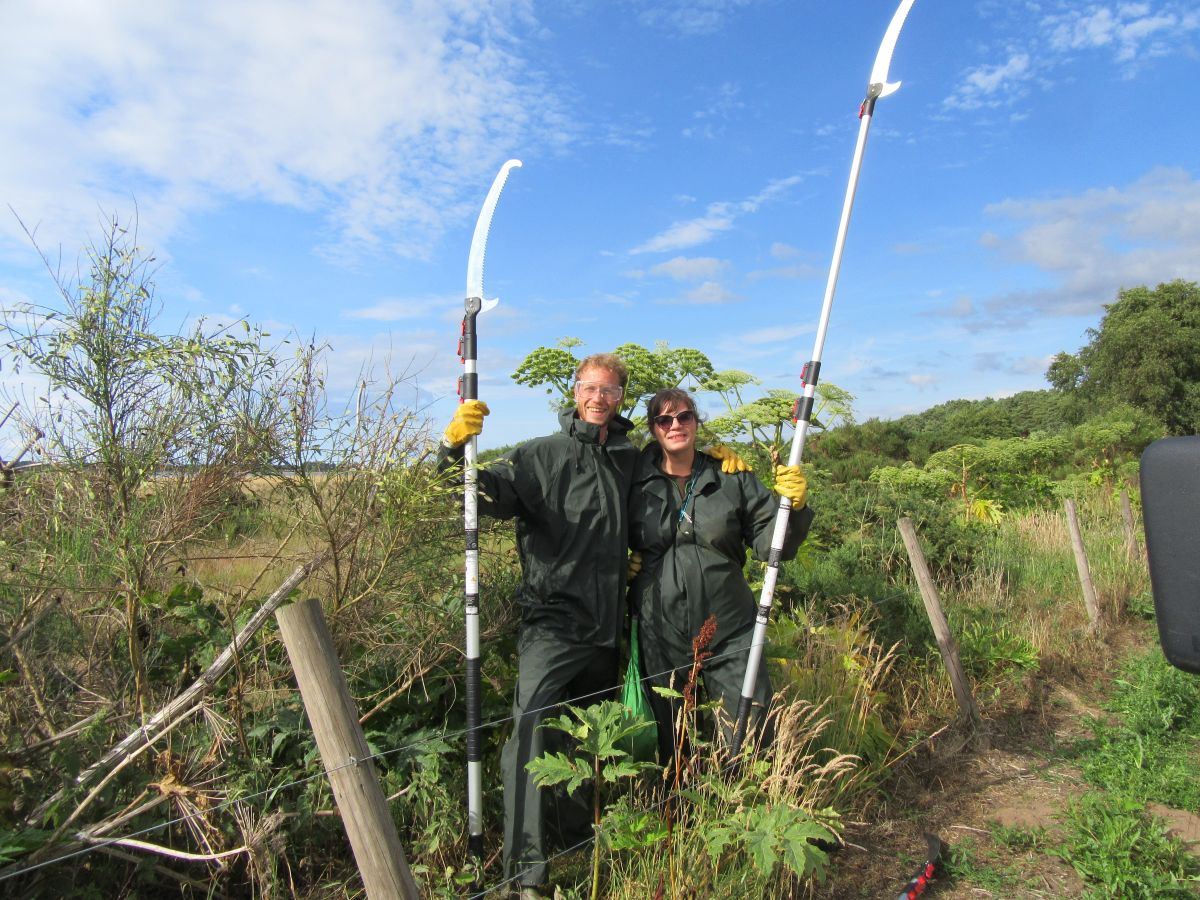
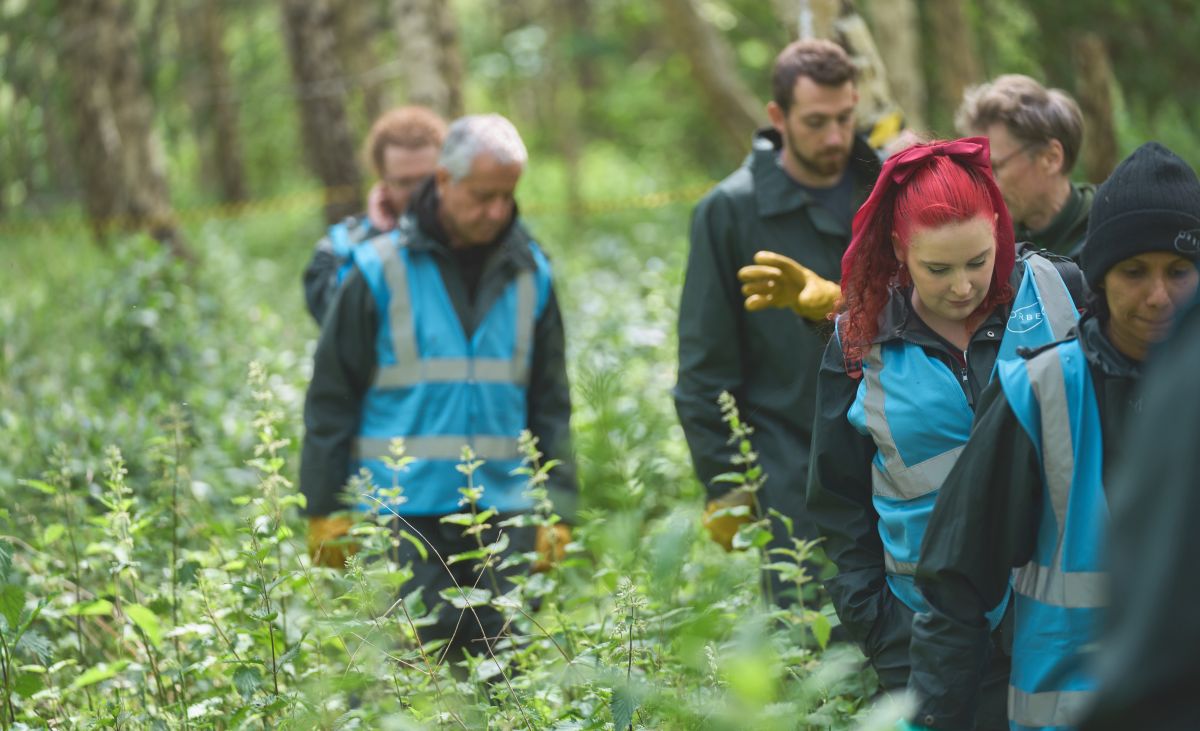
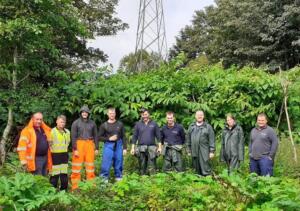
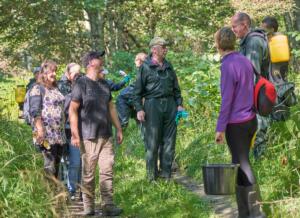
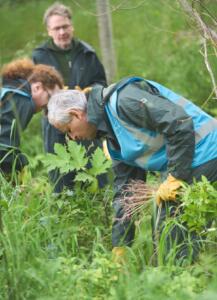
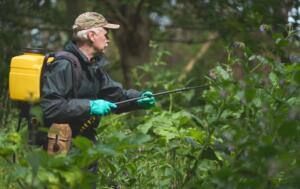
Images courtesy of Wild Things