
Grants
Protecting habitats & species
Monitoring Risso’s dolphins
£13,974 awarded
Grantee: MARA
Duration: 11 months (June 2026 – May 2027)
Note: This project is co-funded by the Fishmongers Company.
A season of regular monitoring will increase the understanding of an observed ongoing decline of Risso’s dolphins off the coast of The Isle of Lewis.
Background
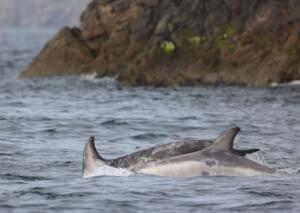
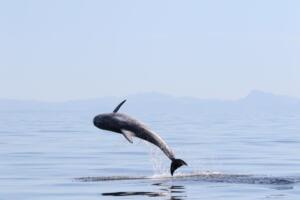
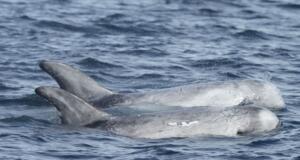
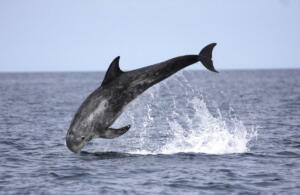
Risso’s dolphins are one of twenty-three different species of cetaceans (the collective term for whales, dolphins and porpoises) found around the west coast of Scotland. Characterised by heavy scarring that appears white, this charismatic dolphin can grow up to 4 metres in length, and is often mistaken for orca.
The North-East Lewis Marine Protected Area was designated in December 2020 following robust evidence that it provides critical habitat for Risso’s dolphins. However, recent analysis of long-term photo-ID data reveals a concerning decline in abundance since 2019, alongside reduced recruitment and apparent survival, smaller group sizes and increased strandings. Together, these indicators point to a population under sustained pressure and raise serious concerns about long-term viability. Identifying the drivers of this decline is now a priority.
The Project
MARA was established in 2025, though its founding marine researchers have been undertaking Risso’s dolphin surveys in the area since 2010. A comprehensive photo-ID catalogue now comprises of 387 individually known dolphins. This unique dataset provides rare insight into population dynamics, long-term site fidelity and individual life histories, forming one of the most comprehensive records for the species in the North Atlantic.
Over summer 2026, MARA will continue boat-based monitoring, while further trialling the use of drones to capture both photo-ID, but also undocumented behaviours. For example, drone footage records “head-standing” behaviour, where individuals position themselves vertically in the water column, tail submerged for extended periods.
Data gathered will input into the MPA monitoring and management, with a long-delayed consultation set to be launched in mid-late 2026.
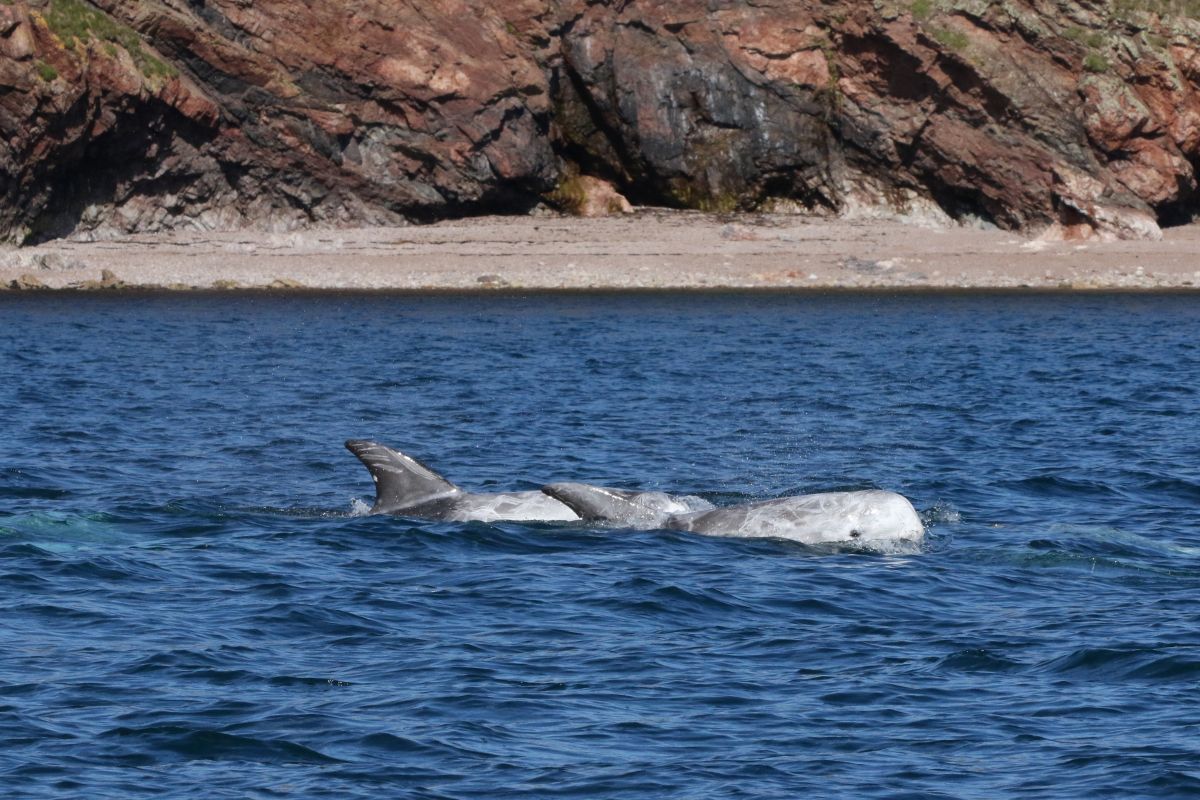
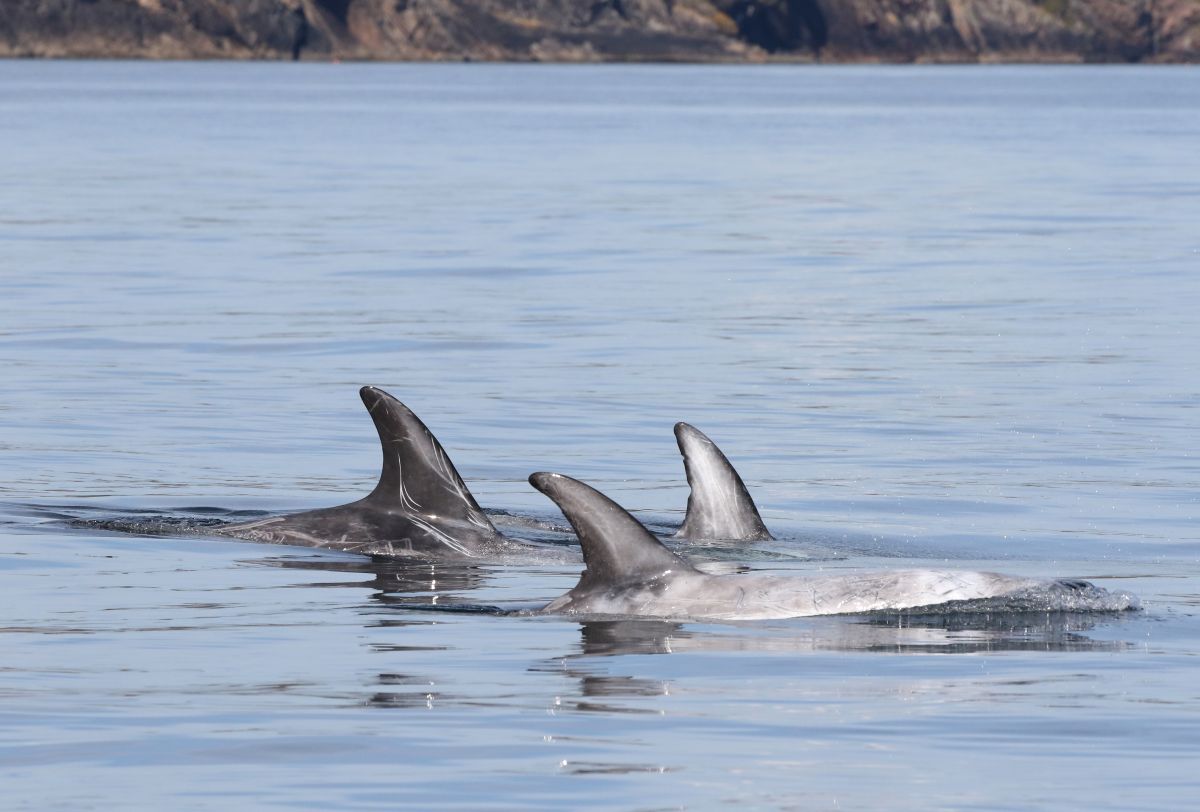
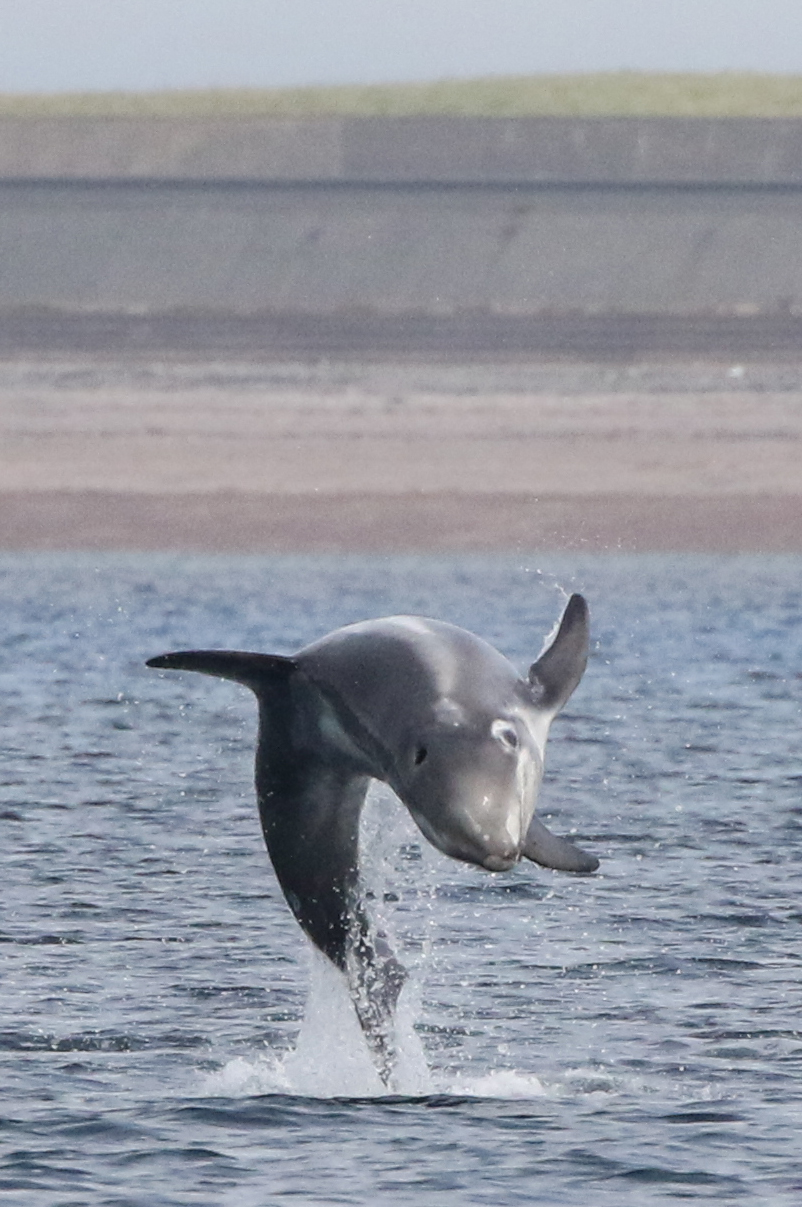
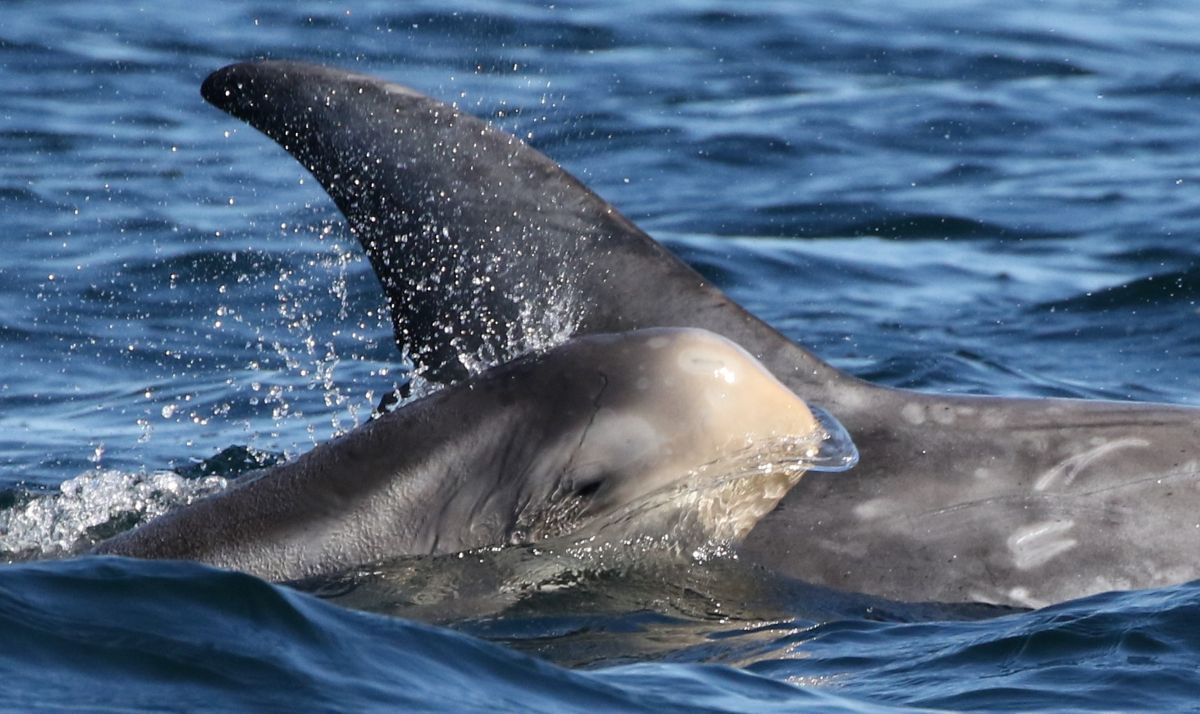
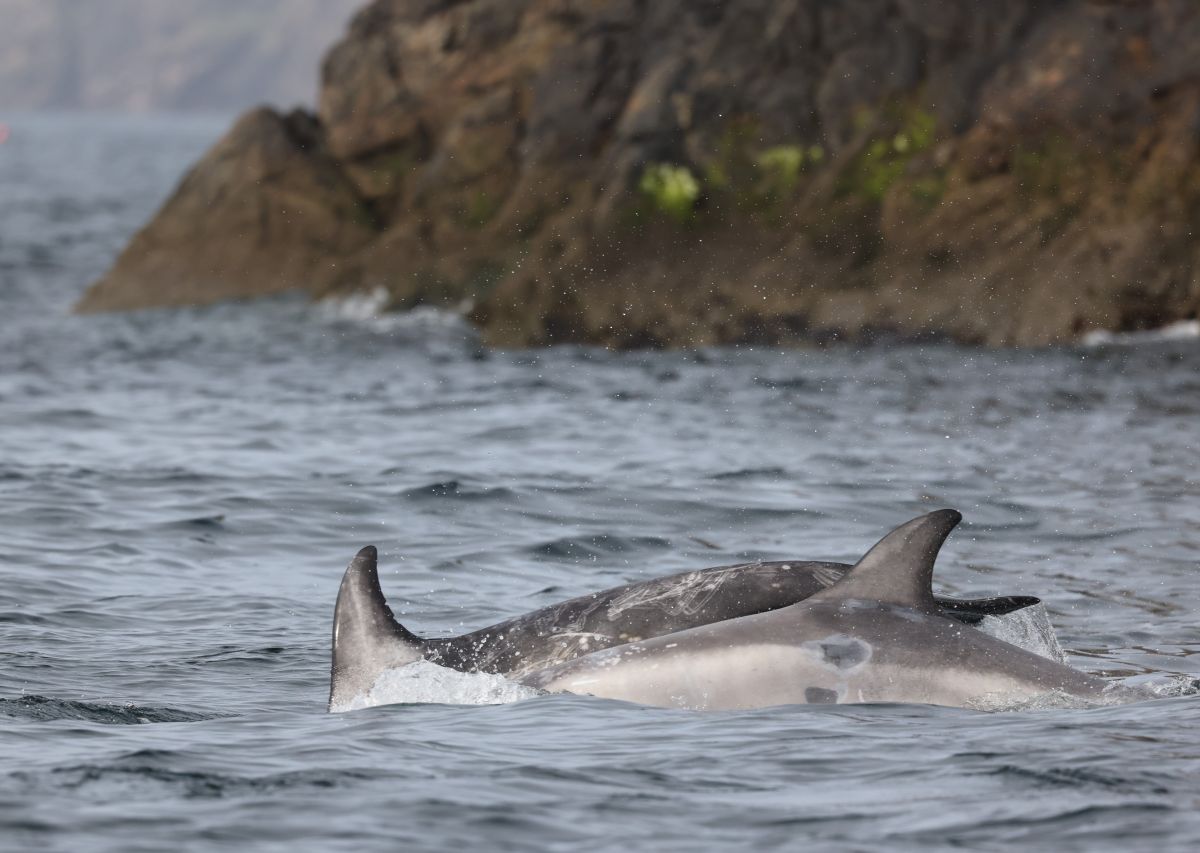
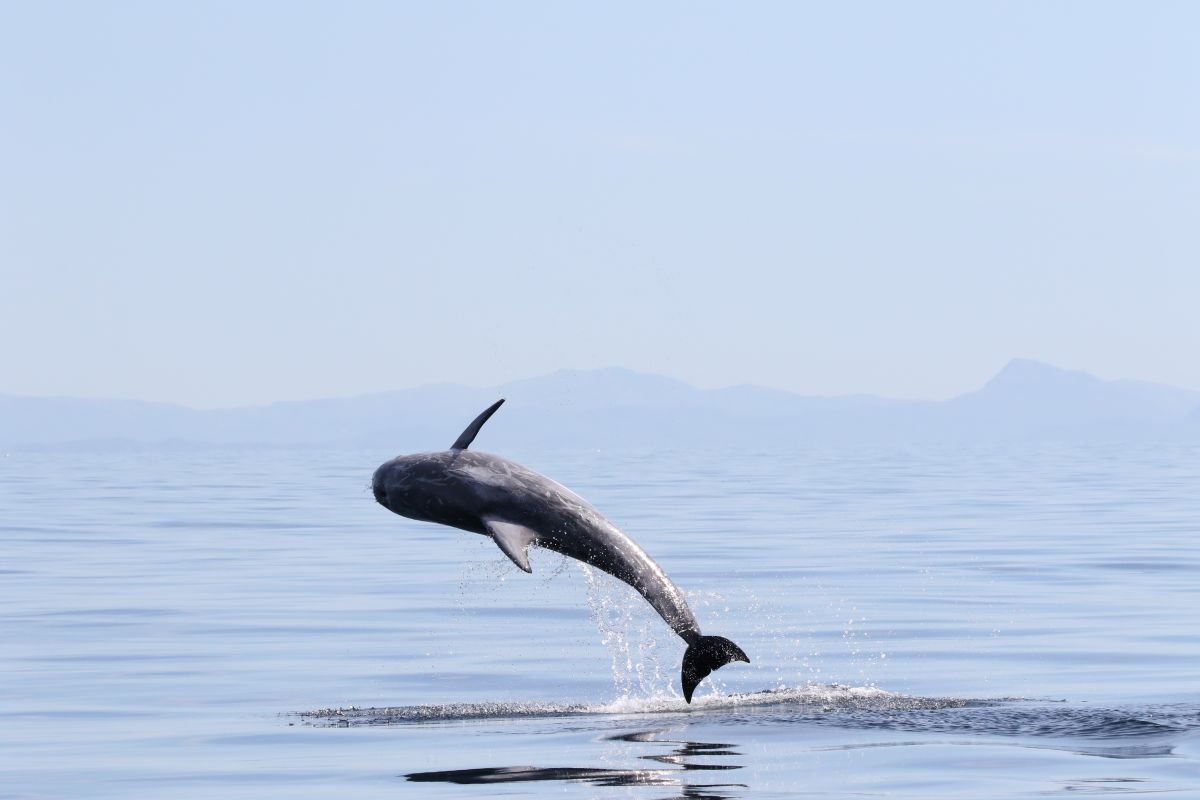
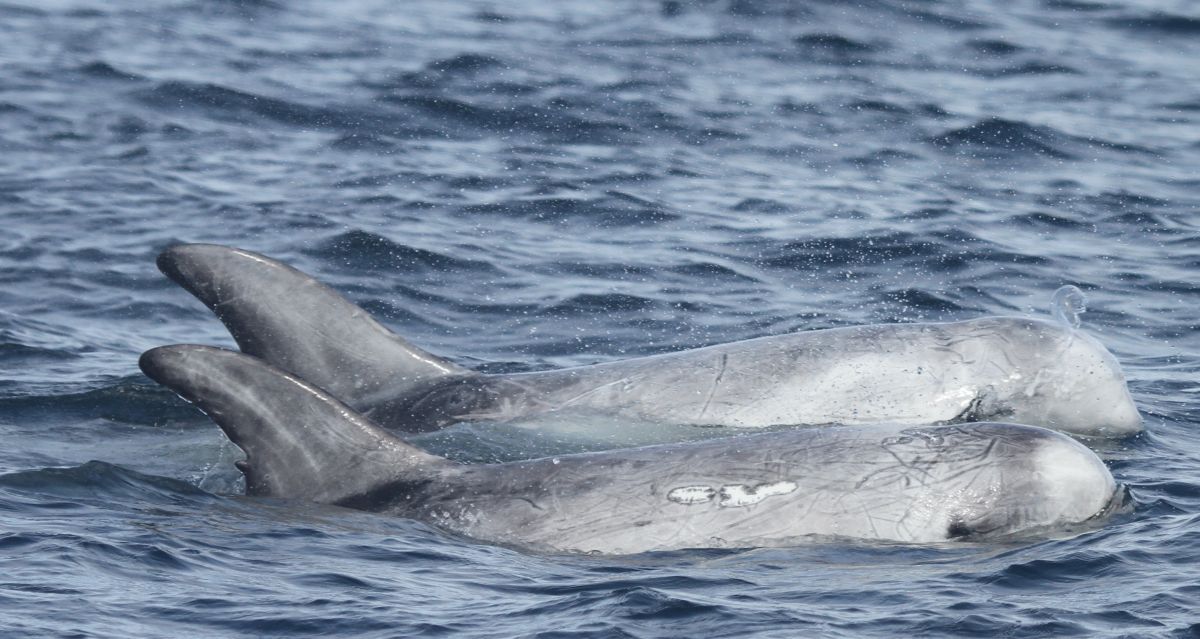
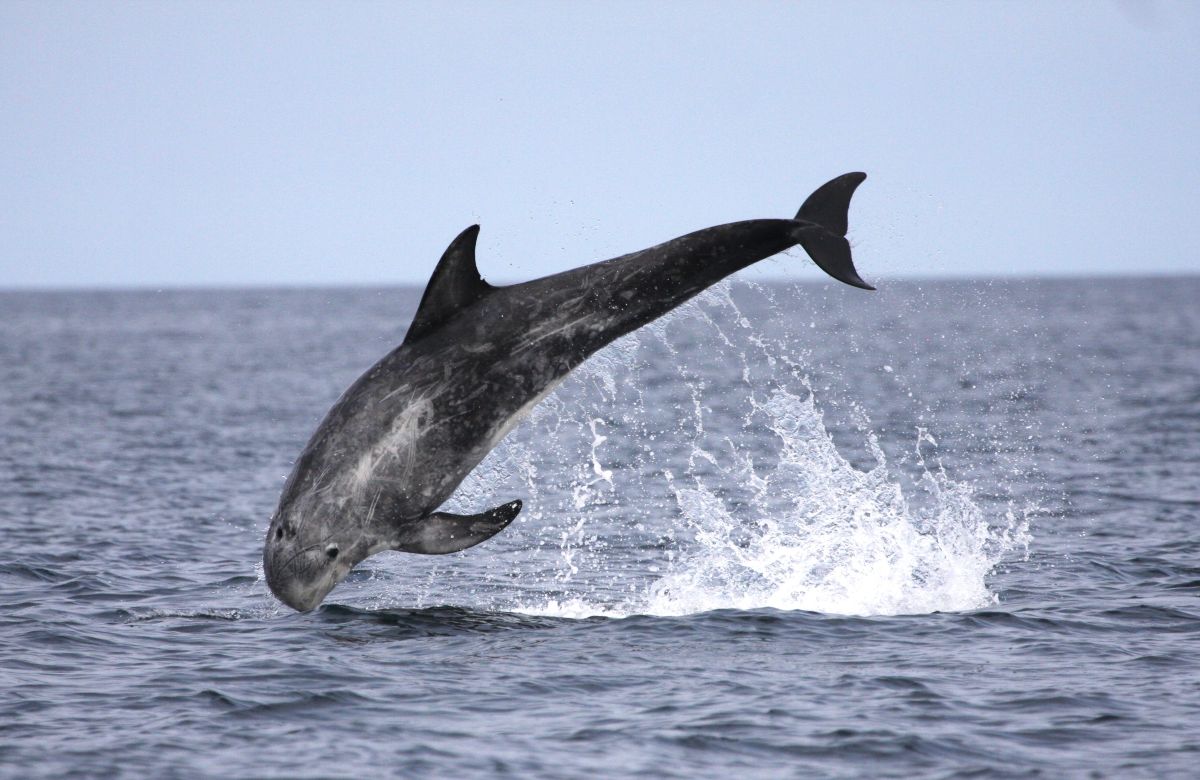
Images courtesy of MARA