
Grants
Protecting habitats & species
West Loch Ness Farm Cluster
£22,906 awarded
Background
The Highland farming landscape – which holds 35% of Scotland’s agricultural land – faces several environmental challenges. A variety of factors such as enclosure, development, overgrazing, undergrazing and draining have all contributed to widespread biodiversity loss.
However, several opportunities to restore biodiversity on agricultural land exist. The growing network of farm clusters across the Highlands, and Scotland as a whole, reflects a desire for bottom-up solutions led by people on the ground. Through collaboration between neighbouring landholders, biodiversity can be monitored and improved at both local and landscape scales.
West Loch Ness Farm Cluster
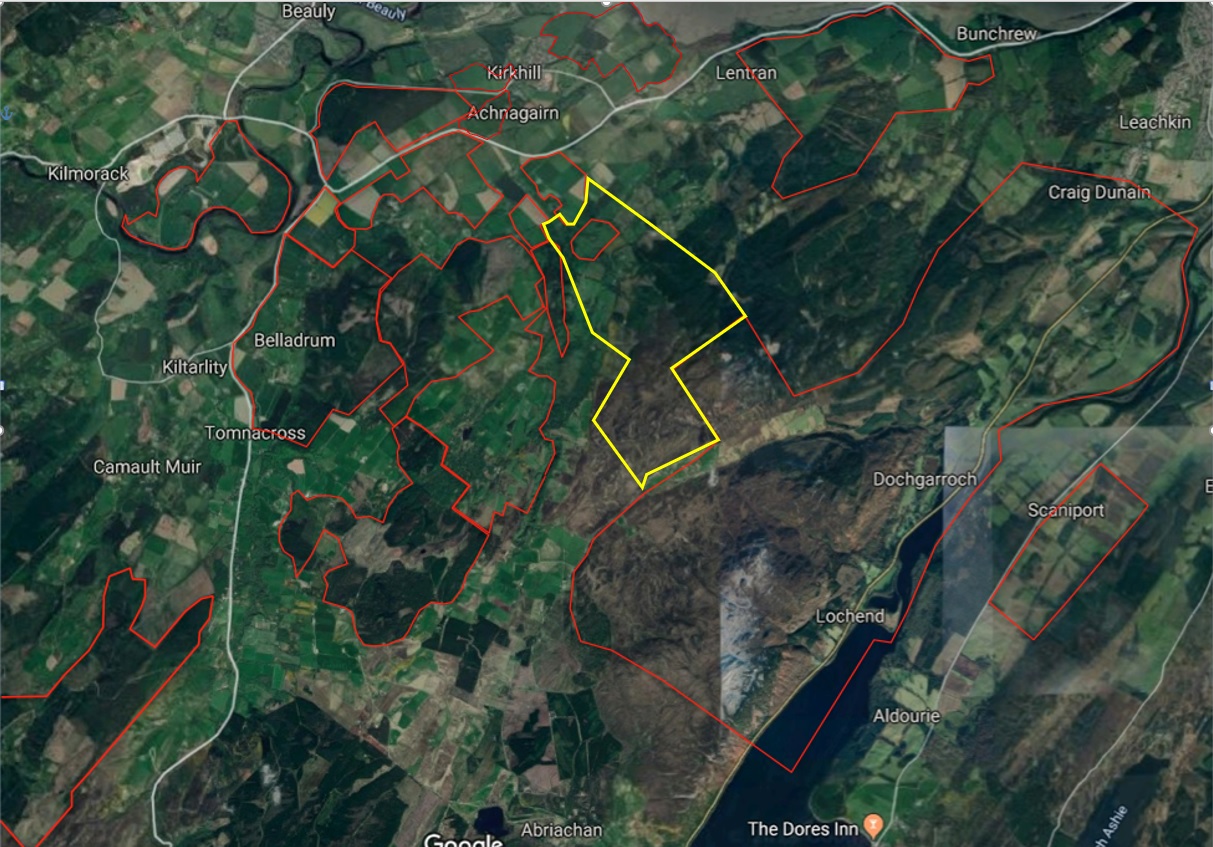
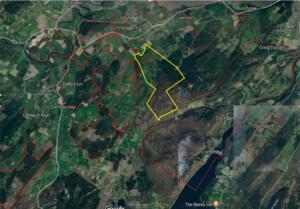
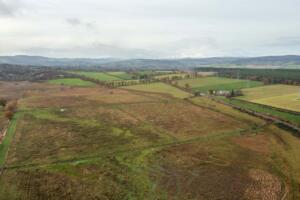
The West Loch Ness Farm cluster centres on eight working farms, crofts and estates working in collaboration with Forestry Land Scotland to put wildlife and biodiversity at the heart of land management. The cluster is approx. 20,000ha covering riparian areas, lowland and upland farmland, traditional hill farmland, mixed forestry and in-shore marine habitats (at the Beauly Firth) 7,000 ha of which is under member management.
Each of the landowners participating champion a variety of positive environmental policies on their own land (eg hedges, set-aside, beaver and other species introductions). However, they recognise that in order to progress further, they need to work collaboratively to achieve landscape scale change.
Grant 1: March 2021 – £8,000
This kickstart grant aimed to increase biodiversity across the cluster through a combination of habitat mapping and creation of biodiversity hotspots and corridors.
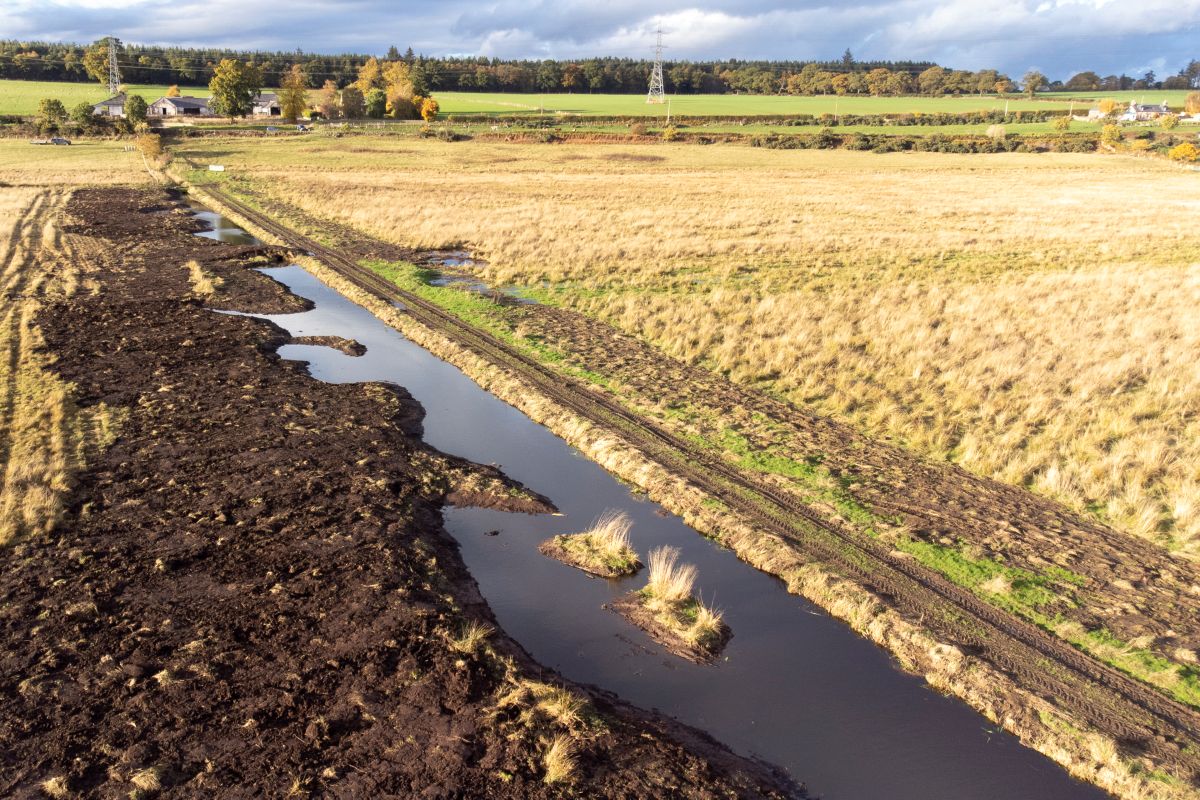
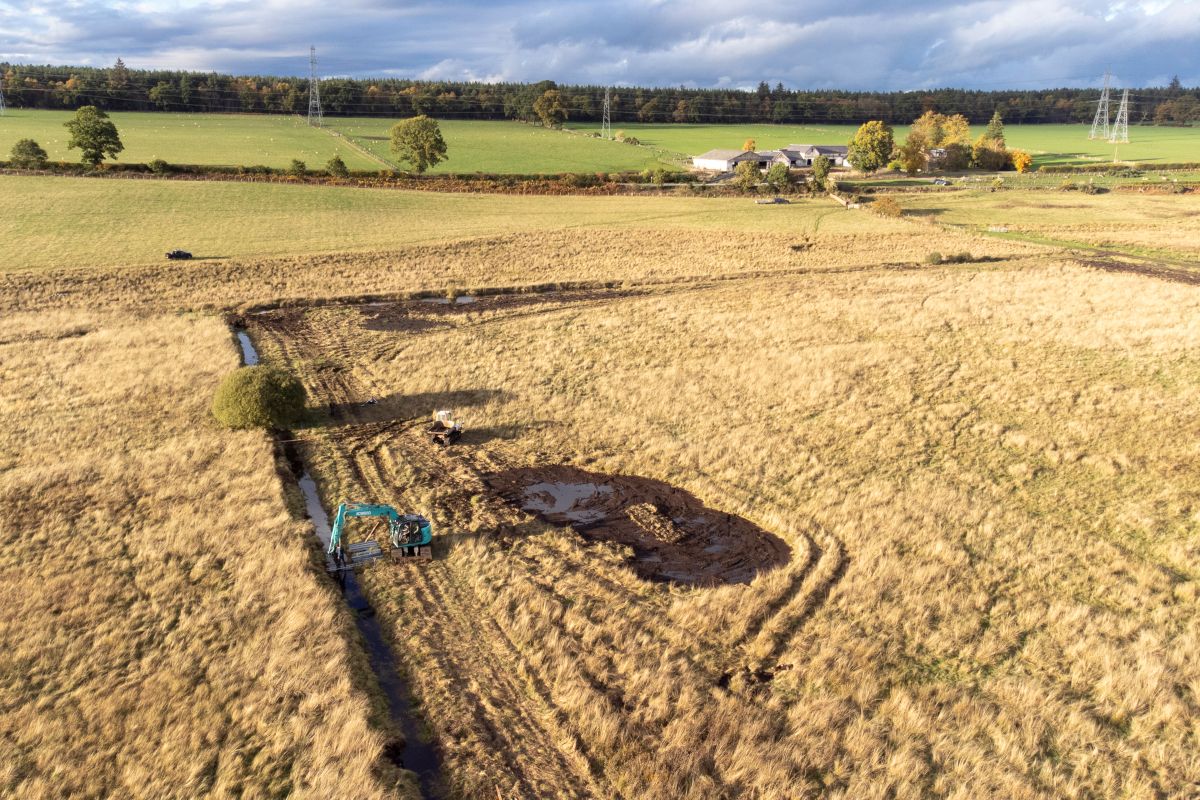
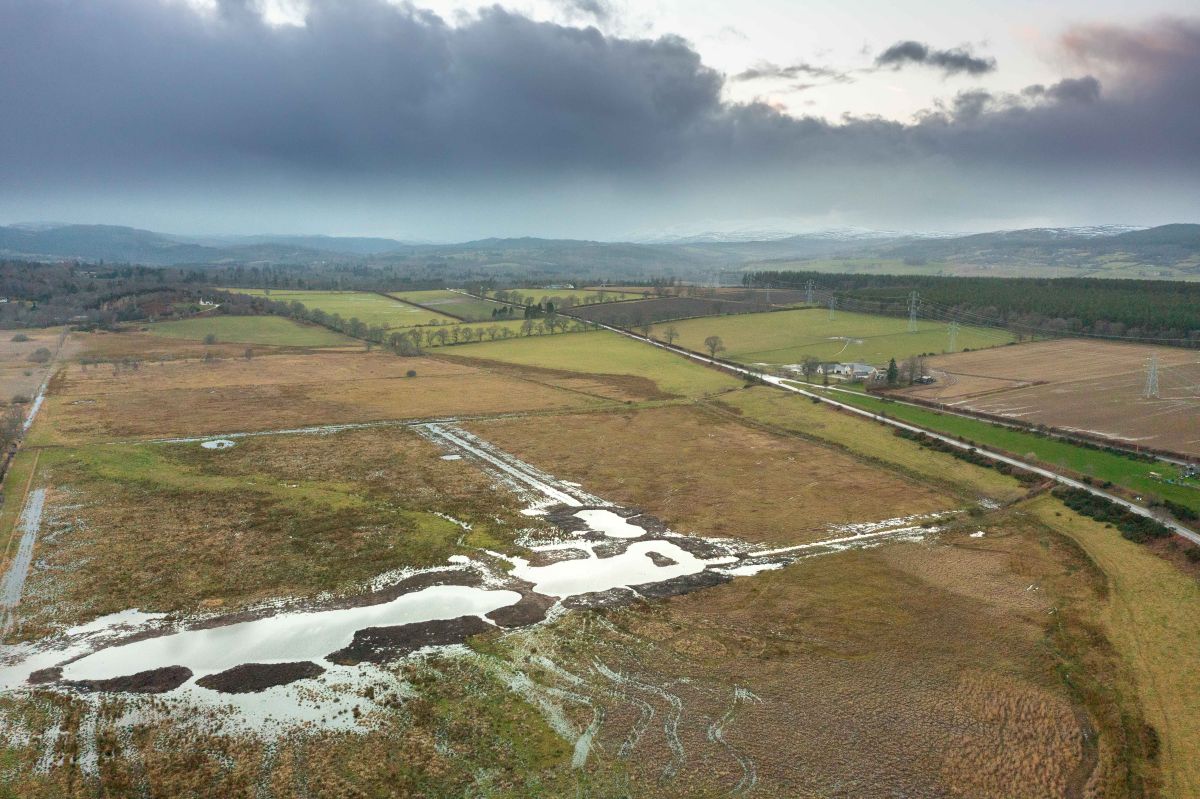
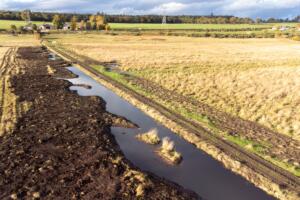
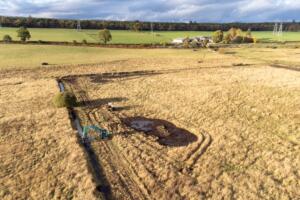
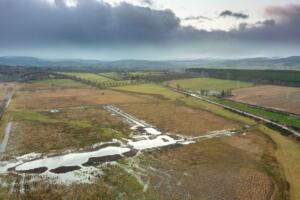
Firstly, cluster-wide habitat mapping took place to better understand the variety of habitats and species present. This led to the creation of over 20 lochans and scrapes, 2km of hedges, and Europe’s first Great Crested Newt translocation programme. The impact of this work went beyond tangible ecological outcomes. Through knowledge-sharing events, a series of spin-off clusters have emerged in Moray, Glen Urquhart, and Perthshire.
Grant 2: November 2025 – £14,906
The cluster plans three key activities in 2026:
Strategic development
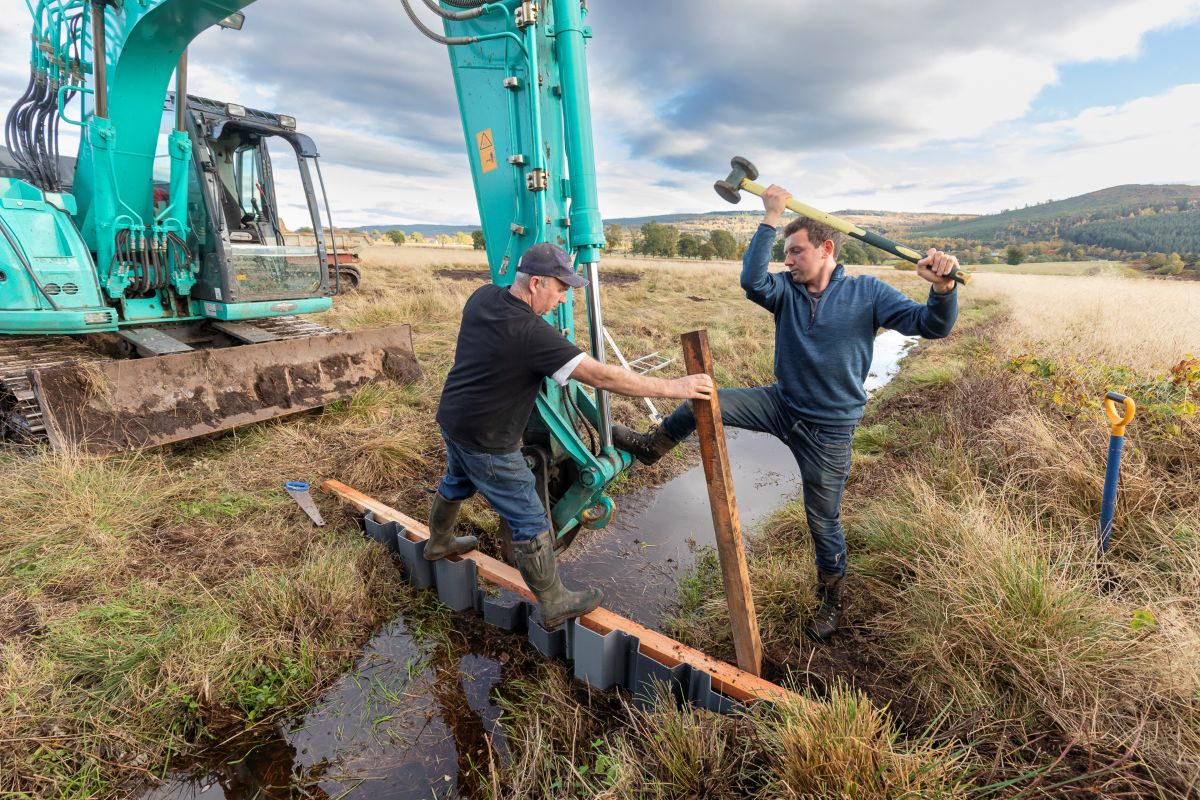
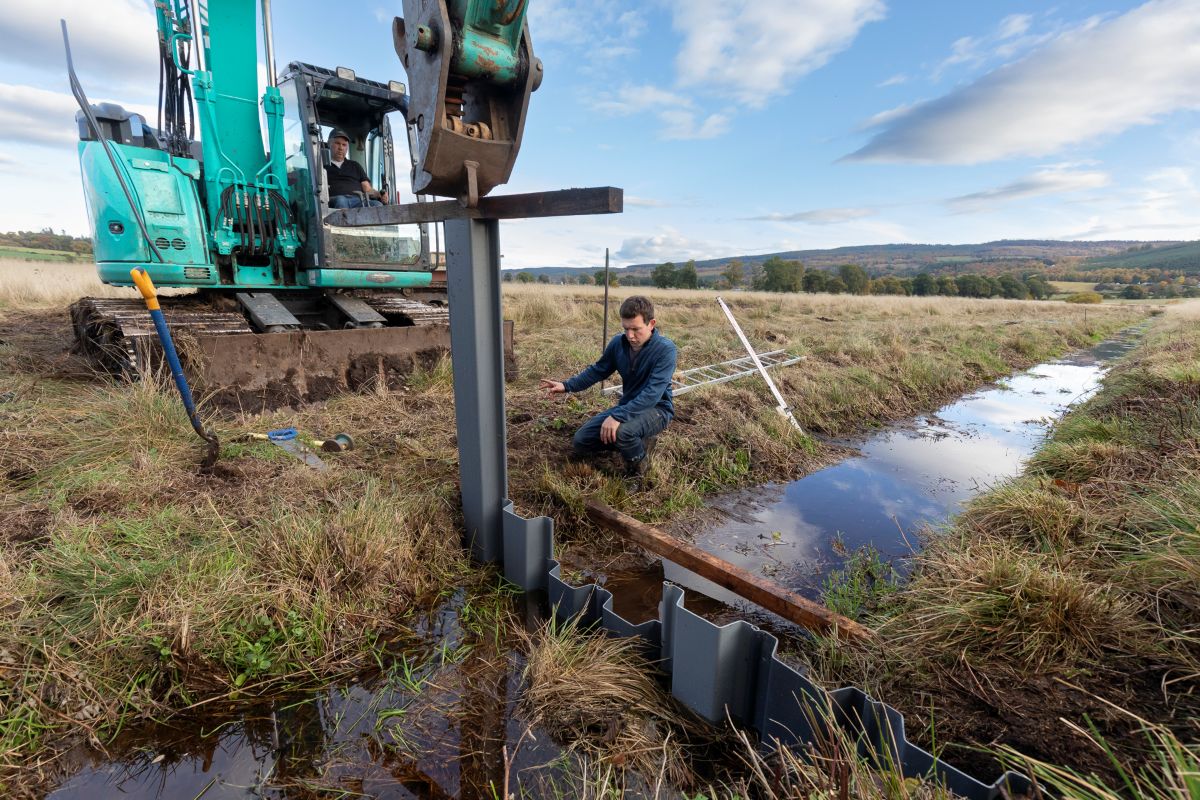
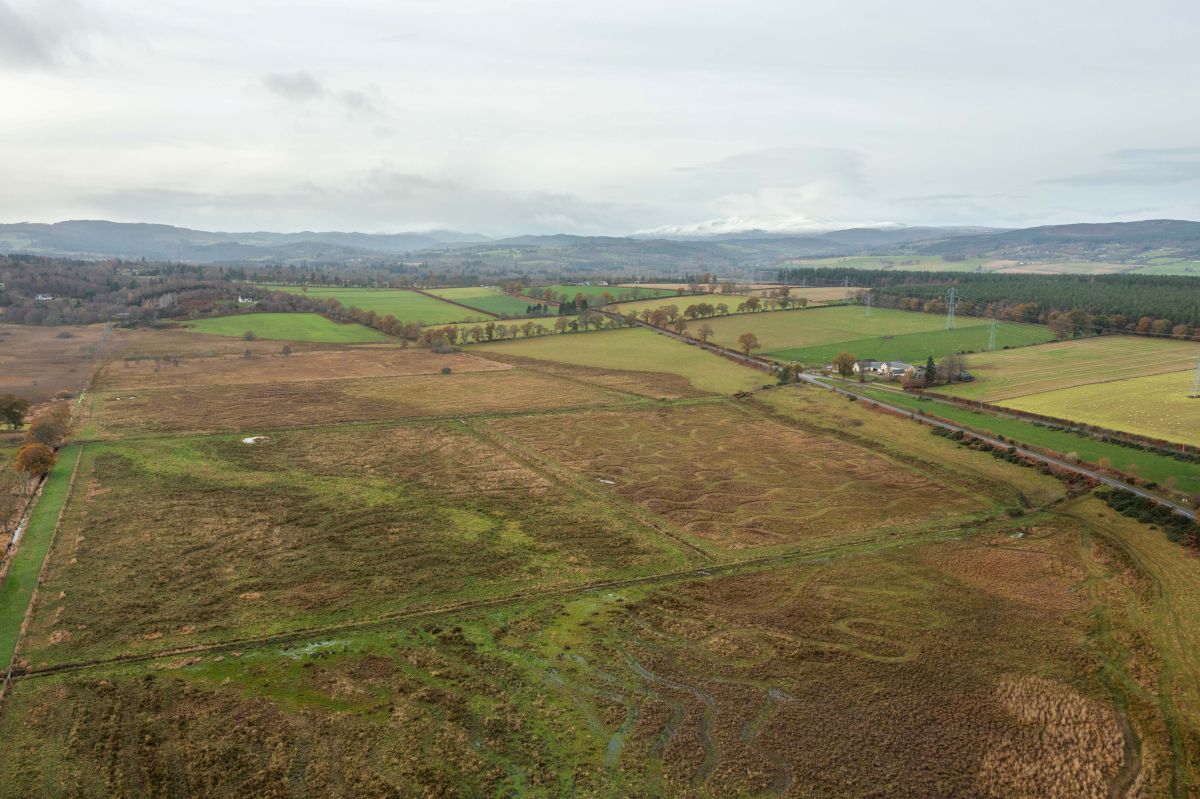
Working with a part time facilitator, the cluster will develop a large funding application in summer 2026 to deliver further rewetting, habitat creation, and invasive species removal.
Great Crested Newt project
Being a European red listed species, GNC’s are threatened with extinction on a European level. The farm cluster has a small, but isolated, population, and in 2023 they began a trial project to collect fertilised eggs, grow them on under lab conditions and release them back into the wild in new aquatic environments within the farm cluster.
This funding will secure the completion of the research trial. As this type of harvesting and ‘head starting’ the eggs is a European first, they are aiming to produce some published work on their methodology and results.
Baselining and monitoring
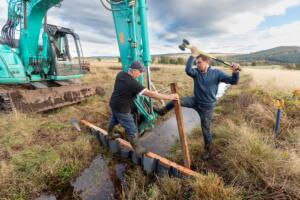
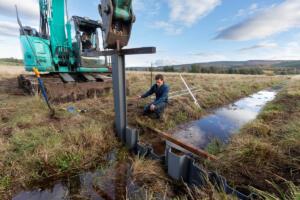
Having previously carried out rewetting and pond creation work, the cluster has set up a system of biannual bioacoustics monitoring systems at these sites. They use hybridised monitors that detect both bird song and ultrasonic bat calls, recording results for the period of a month. These results reveal species that haven’t been observed in person, allowing cluster members to see landscape wide trends. This continued baselining is an essential prerequisite for cluster learning and progress.
They say in the Highlands that the only way to get two farmers to work together is to give them a plan to gang up on a third farmer (!) but we are bucking that trend. Common sense and hard work are leading the way as farming neighbours look to work together to manage their ground symbiotically, at landscape scale, for the benefit of our local flora, fauna and rural communities.
FRED SWIFT, WEST LOCH NESS FARM CLUSTER