Grants
Protecting habitats & species
HWDT – Minke whale research
£12,000 awarded
Grantee: Hebridean Whale and Dolphin Trust (HWDT)
Duration: April 2023 – April 2026
Marine ecosystems on Scotland are under pressure from poor environmental protection, industrial activities, and human pollution. The Hebridean Whale and Dolphin Trust (HWDT) are acutely aware of the impacts of these pressures, having monitored – for thirty years – the decline of species such as killer whales, who are heading for unavoidable extinction in Hebridean waters.
Based in Tobermory, Mull, the Hebridean Whale and Dolphin Trust (HWDT) has been pioneering community-led monitoring efforts for thirty years. Through a series of volunteer expeditions onboard their sailing vessel Silurian, they monitor the health and distribution of whales, dolphins, and porpoises throughout the West Coast of Scotland.
A network of Marine Protected Areas (MPA’s) has been designated by the Scottish Government, including the Sea of the Hebrides MPA, designated for minke whales. These inquisitive mammals are the UK’s smallest whale, and gulp feed on huge mouthfuls of fish and krill. Five years on from the MPA designation there are still no management measures in place to protect minke whale populations, meaning that, like many of Scotland’s inshore MPA’s, it is effectively protected in name only.
A major Government consultation on their proposed fisheries management measures for MPA’s – essentially restrictions on certain types of fishing such as dredging and trawling – was promised to take place in 2024. This was considered a landmark opportunity to inform marine protection.
HWDT therefore set out to analyse thirty years of minke whale photographic data in order to form an official consultation response. This involved distinguishing whales by the shape of their fins, revealing information on the historical movement of individuals, with scars providing insight into rates of entanglement.
This research was presented a national and international conferences and is the subject of two papers that are set to be published.
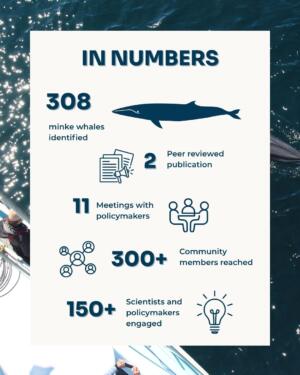
Meanwhile, the Government delayed their consultation of management measures for MPA’s until late 2026 at the earliest. The team continued to use the improved evidence base to advocate for effective marine management, attending eleven meetings with politicians, ministers, and Government agencies.
Simultaneously, a substantial programme of engagement activities reached across community, policy, scientific and fisheries audiences. These included the ‘Whale and Dolphin Day’ on Mull, which balanced educational talks with wildlife tours and whale-themed family activities.
While the delayed Government consultation is frustrating, every cloud has a silver lining, and the delay has allowed the HWDT’s research and advocacy to increase in scope. Other species and MPA’s have been analysed, with key finding being collated into a stronger policy response for when the consultation eventually takes place.
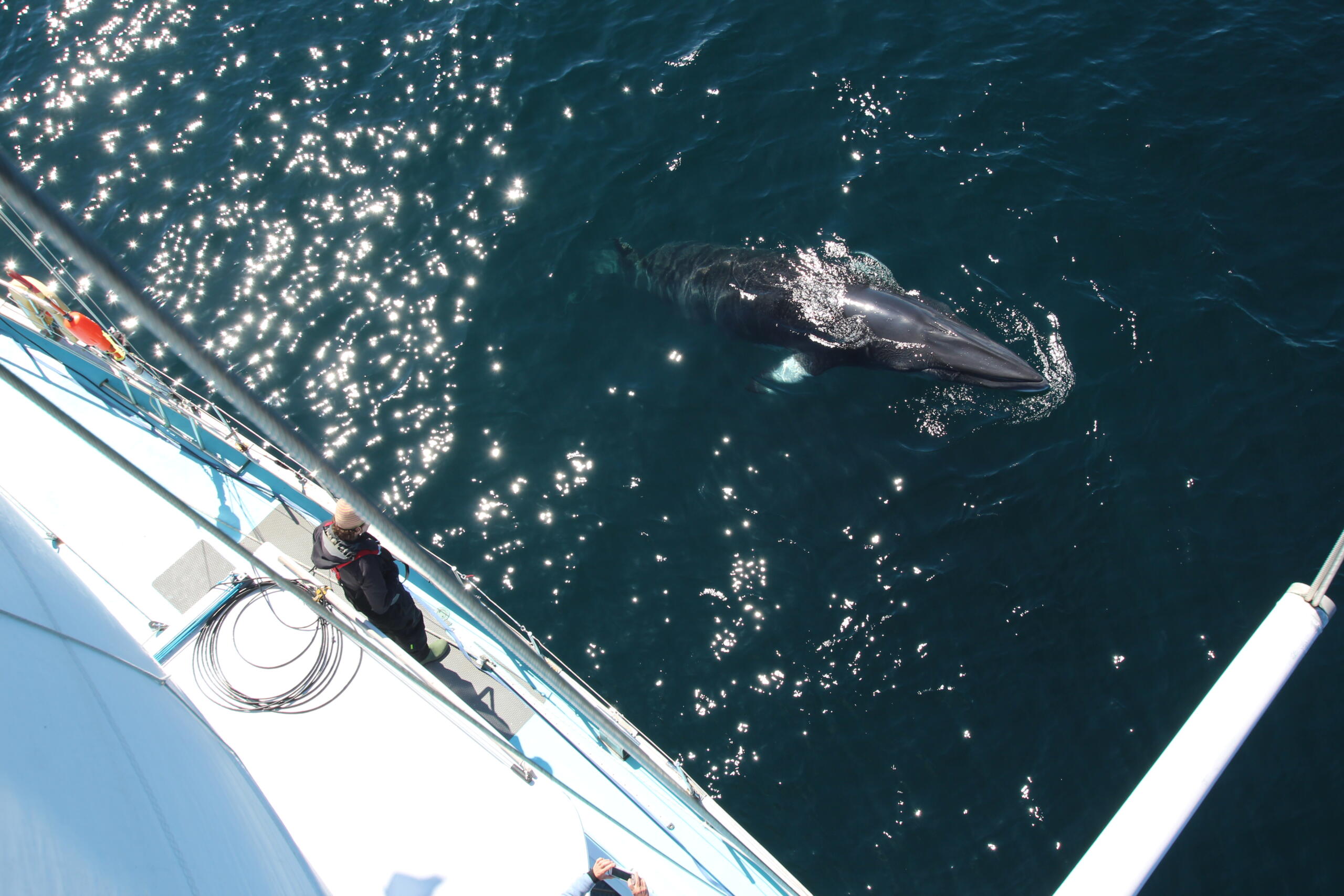
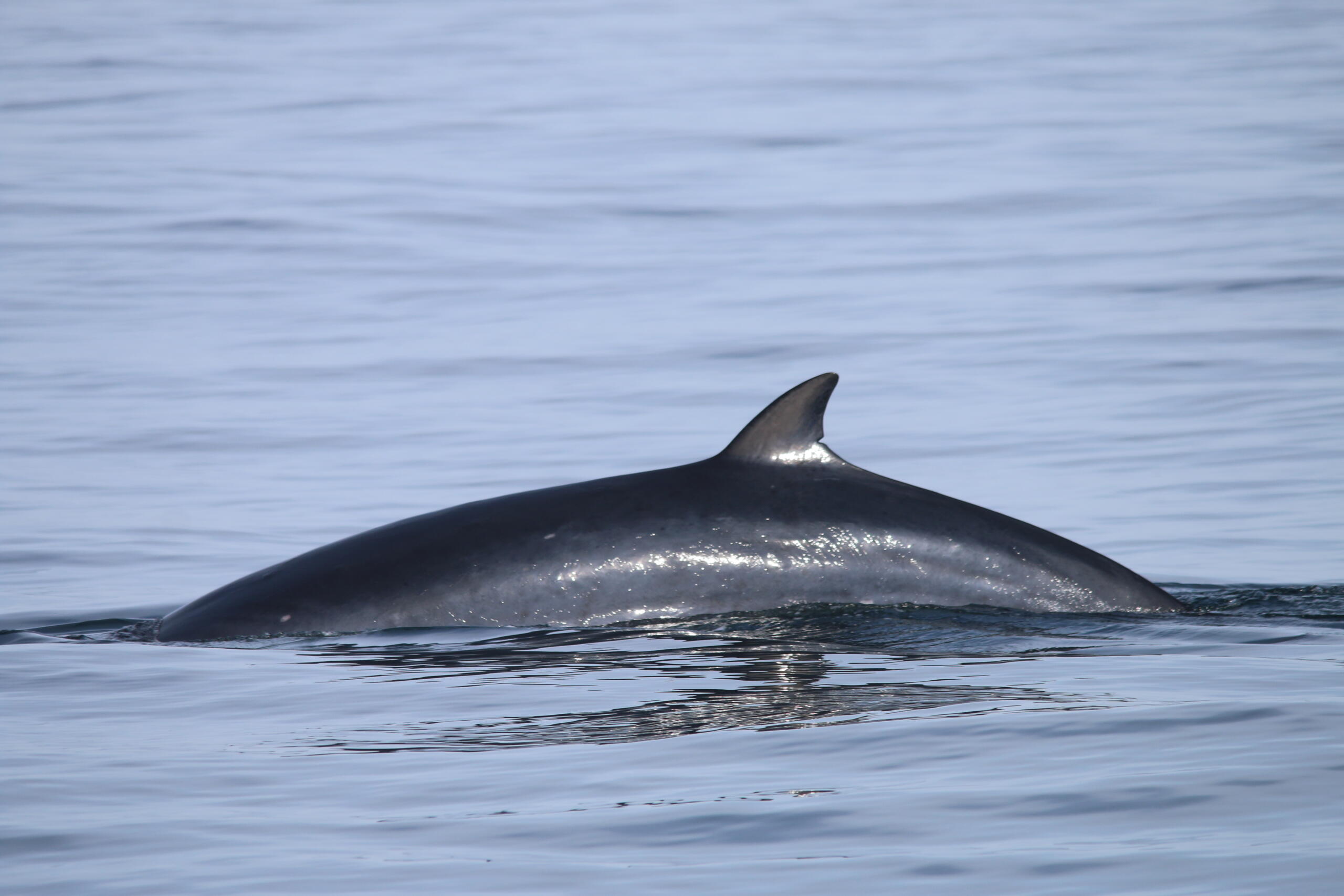
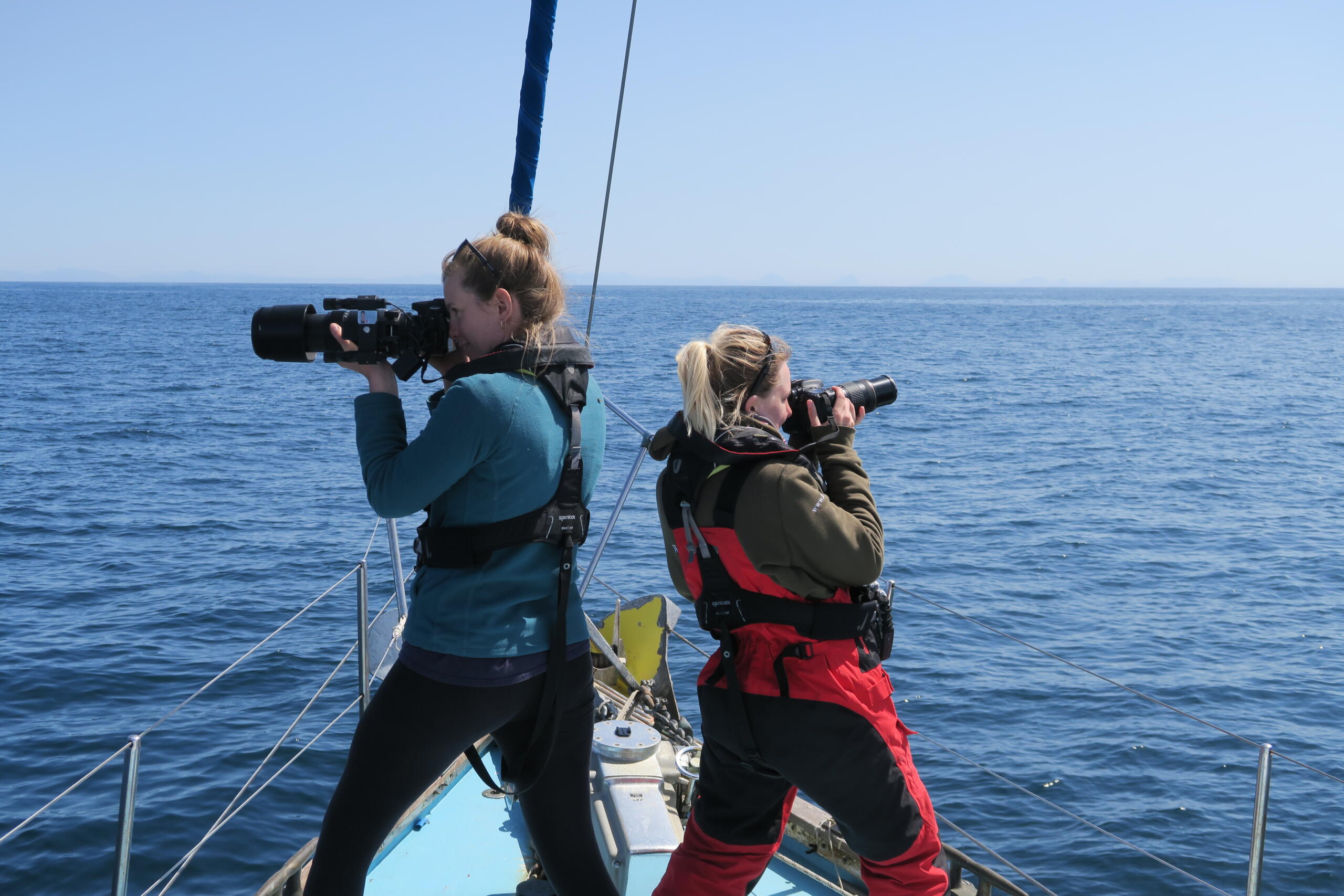
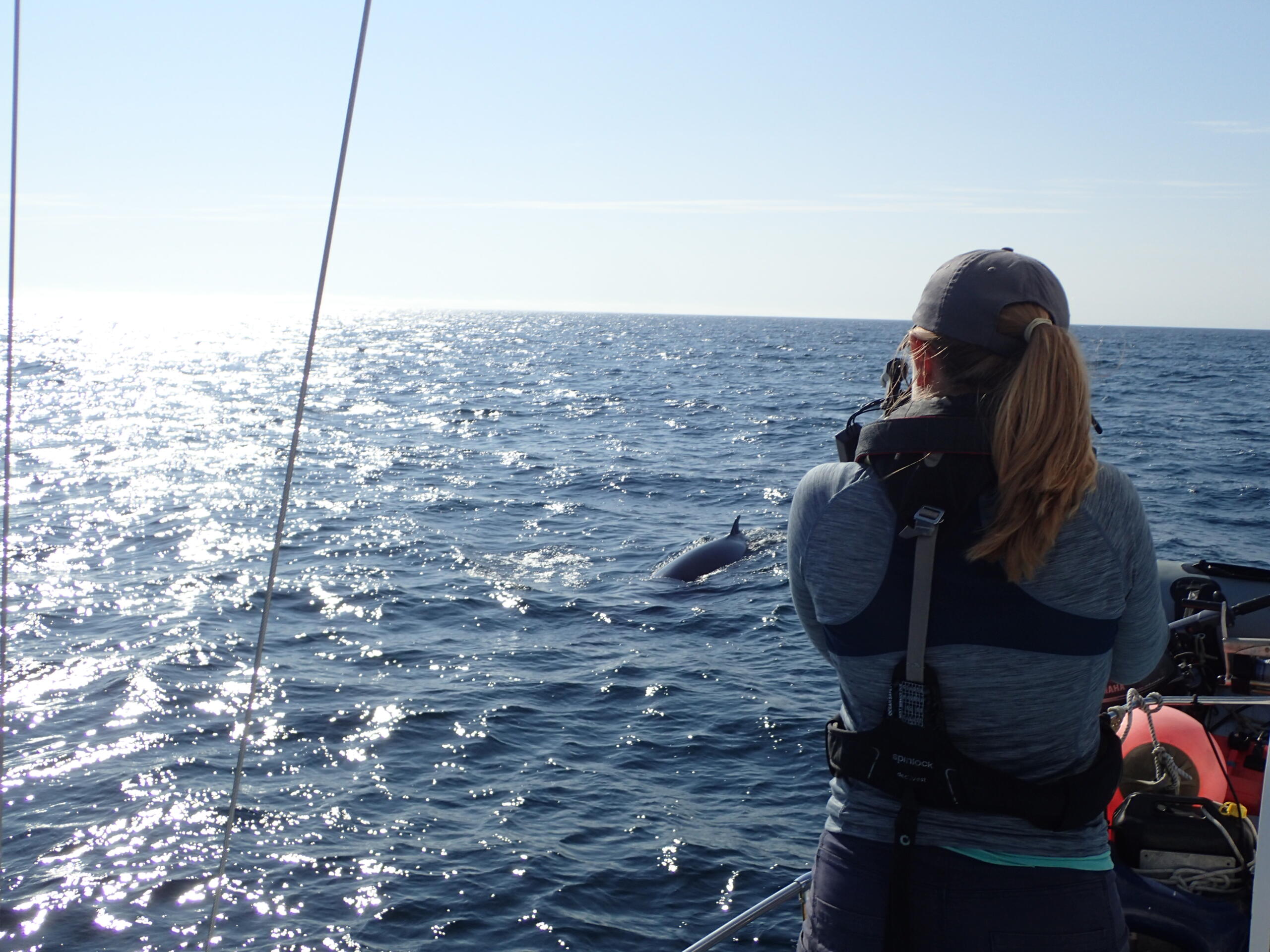
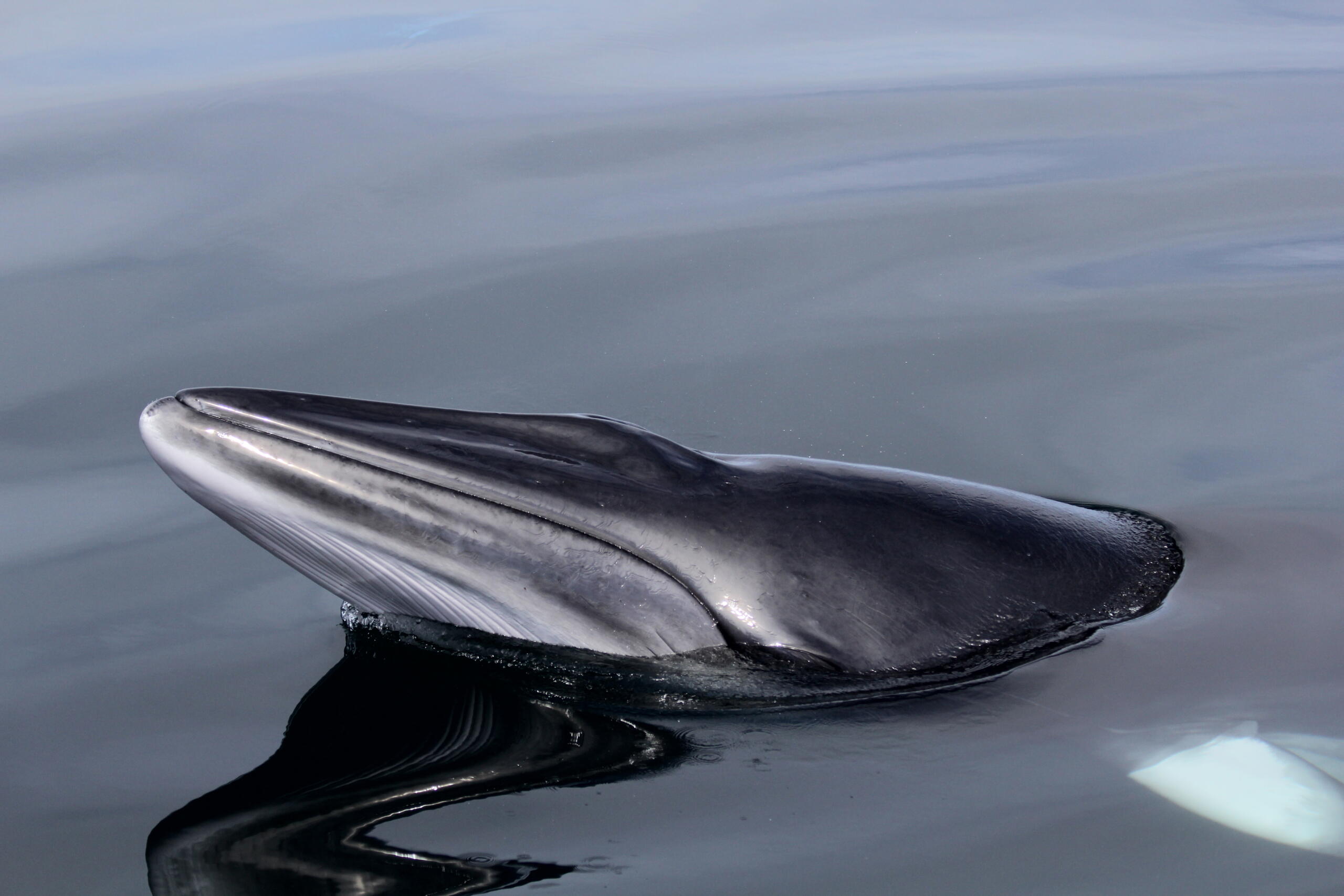
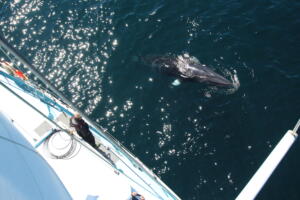
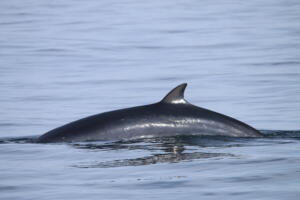
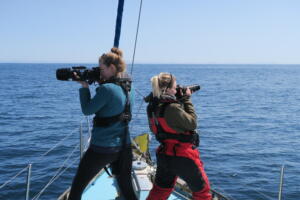
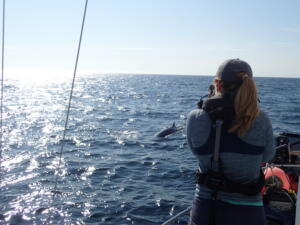
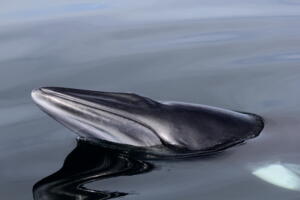
Images courtesy of HWDT.
Key findings
- Between 1990 and 2020, 308 minke whales were identified by HWDT in the waters of western Scotland, during 645 encounters.
- A quarter of individual minke whales (25%, n=76) were seen more than once.
- 14% (n= 42) individual minke whales demonstrated long-term site fidelity with sightings spanning five or more years.
- Across all individuals demonstrating long-term site fidelity, 72.5% of sightings occurred within the Sea of the Hebrides MPA boundary.
- One individual, FM02 (‘Snowy’), was recorded over a 27-year period (1994-2020), representing the longest documented sighting history for a minke whale in Europe.
- Another individual, FD27 (‘Knobble’), was recorded 62 times in 16 different years (2002-2020). All confirmed sightings of Knobble were within a core area approximately 300 km² inside the MPA, occurring between May and October, with 84% of sightings recorded between June and August.
Impact
- A strengthened scientific evidence base for the protection and management of mobile marine species in Scottish waters.
- HWDT’s position as a trusted, evidence-led contributor to marine policy discussions in Scotland was strengthened, enabling them to influence future parliamentary processes.
- Increase in collaboration opportunities, including fisher participation in acoustic data collection trials.
- Improved awareness of marine protection at community, scientific, and policy level.