Grants
Protecting habitats & species
Connecting People and Twinflower
£14,698 awarded
Grantee: Plantlife Scotland
Duration: 24 months (April 2026 – April 2028)
Background
We have a responsibility to protect and preserve our rare and endangered species. Without action, we risk losing wonderful plants and animals from our world without action. But on a more practical level, as individual species decline, the ecosystem experiences a decrease in resilience and diversity and therefore becomes less adaptive to climate change and other threats.
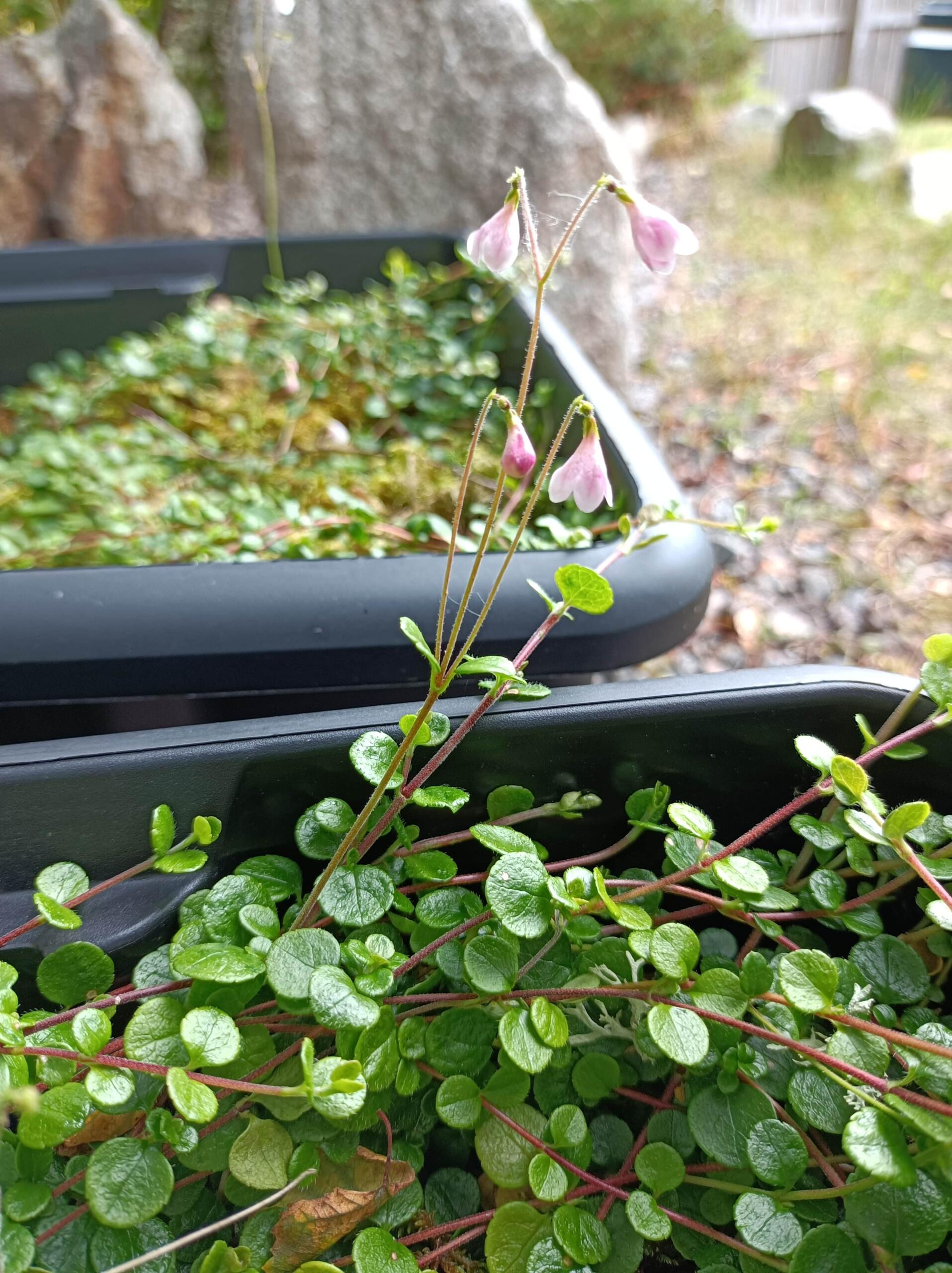
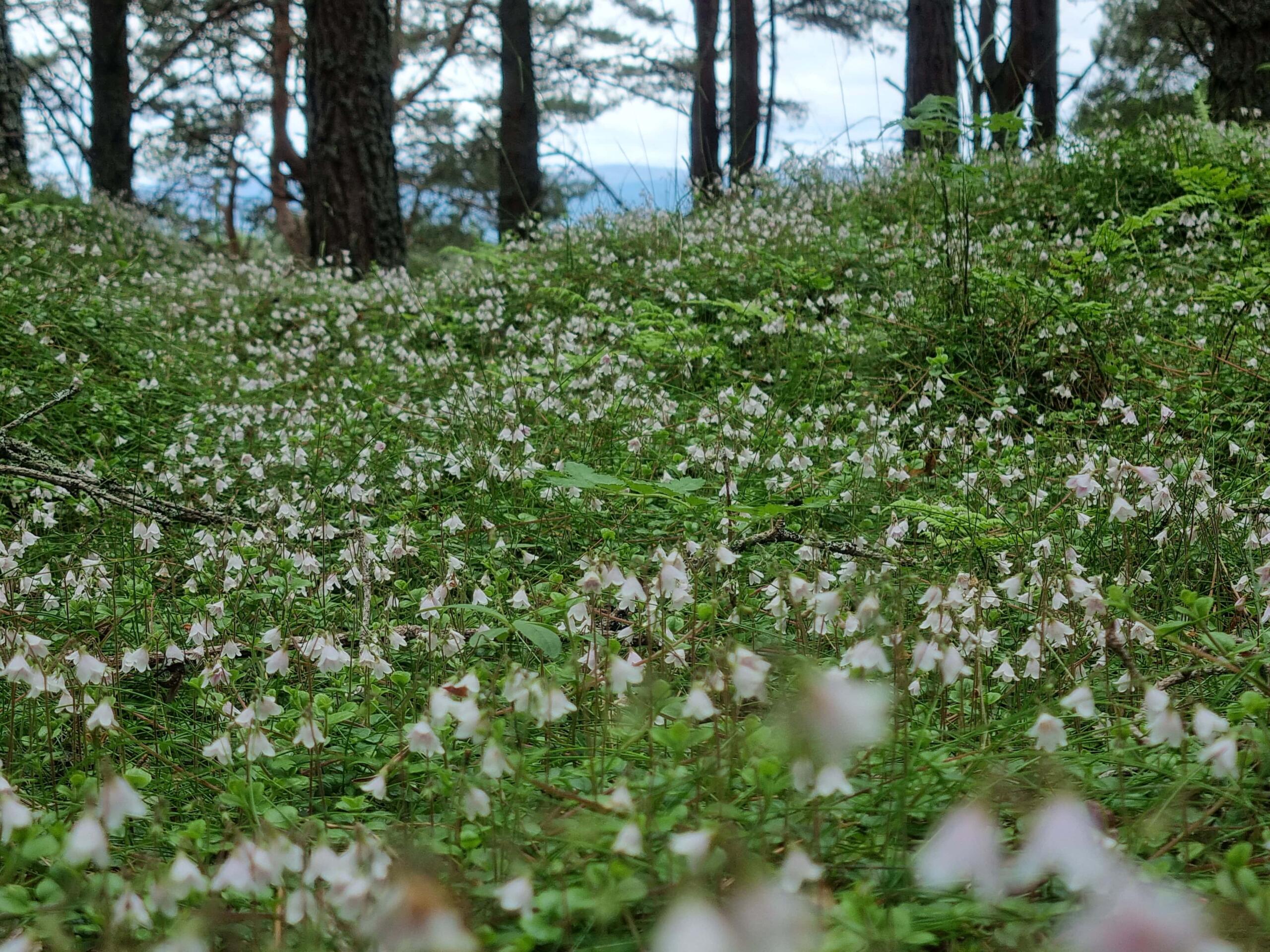
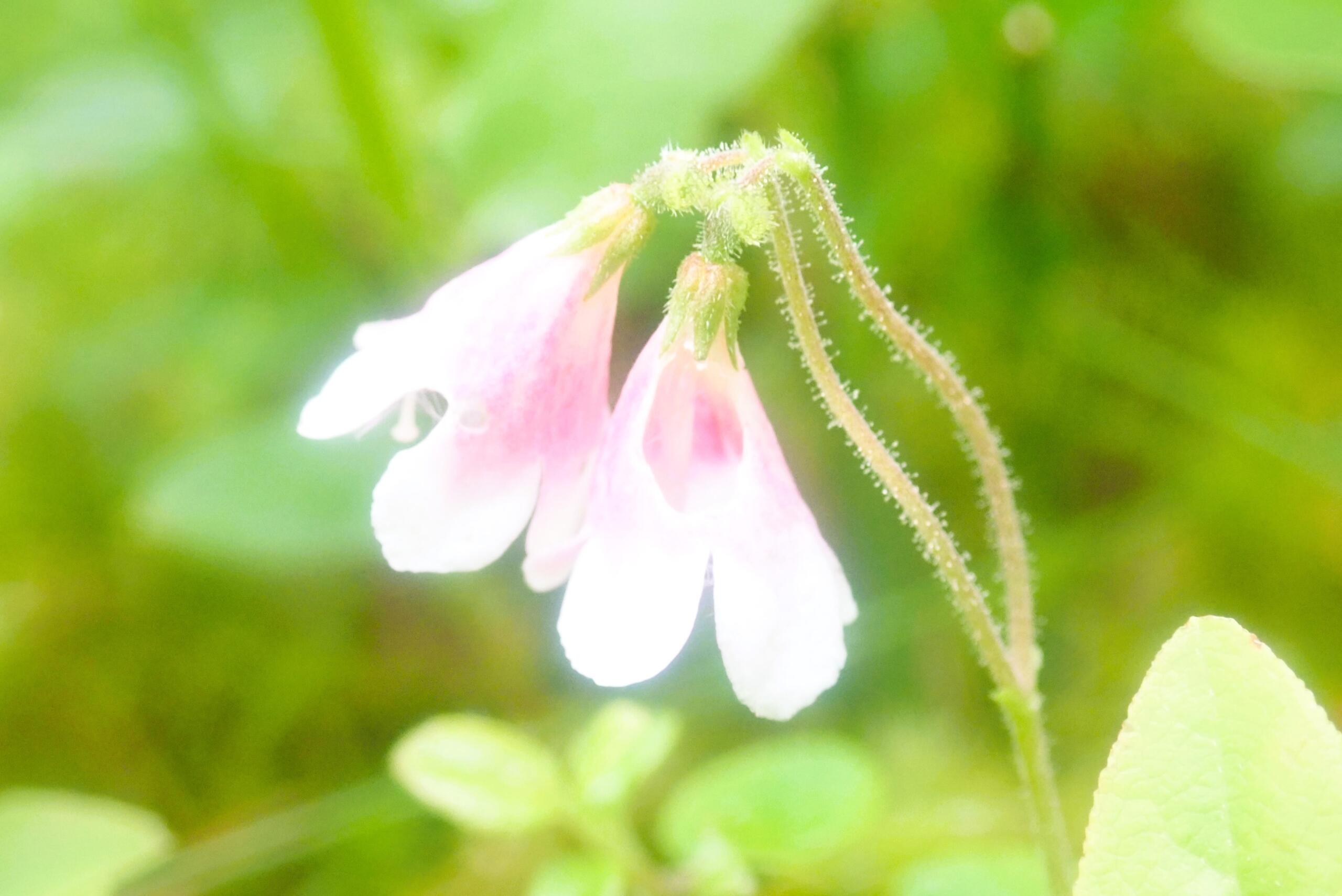
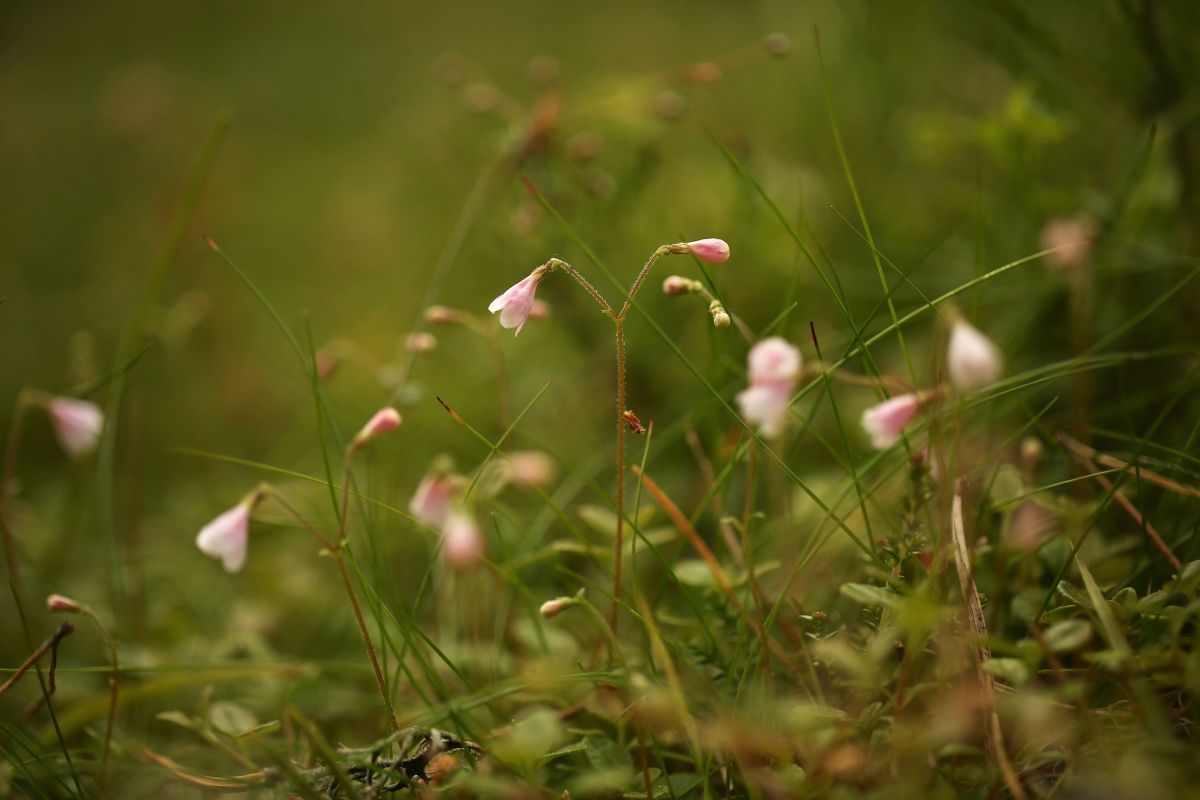
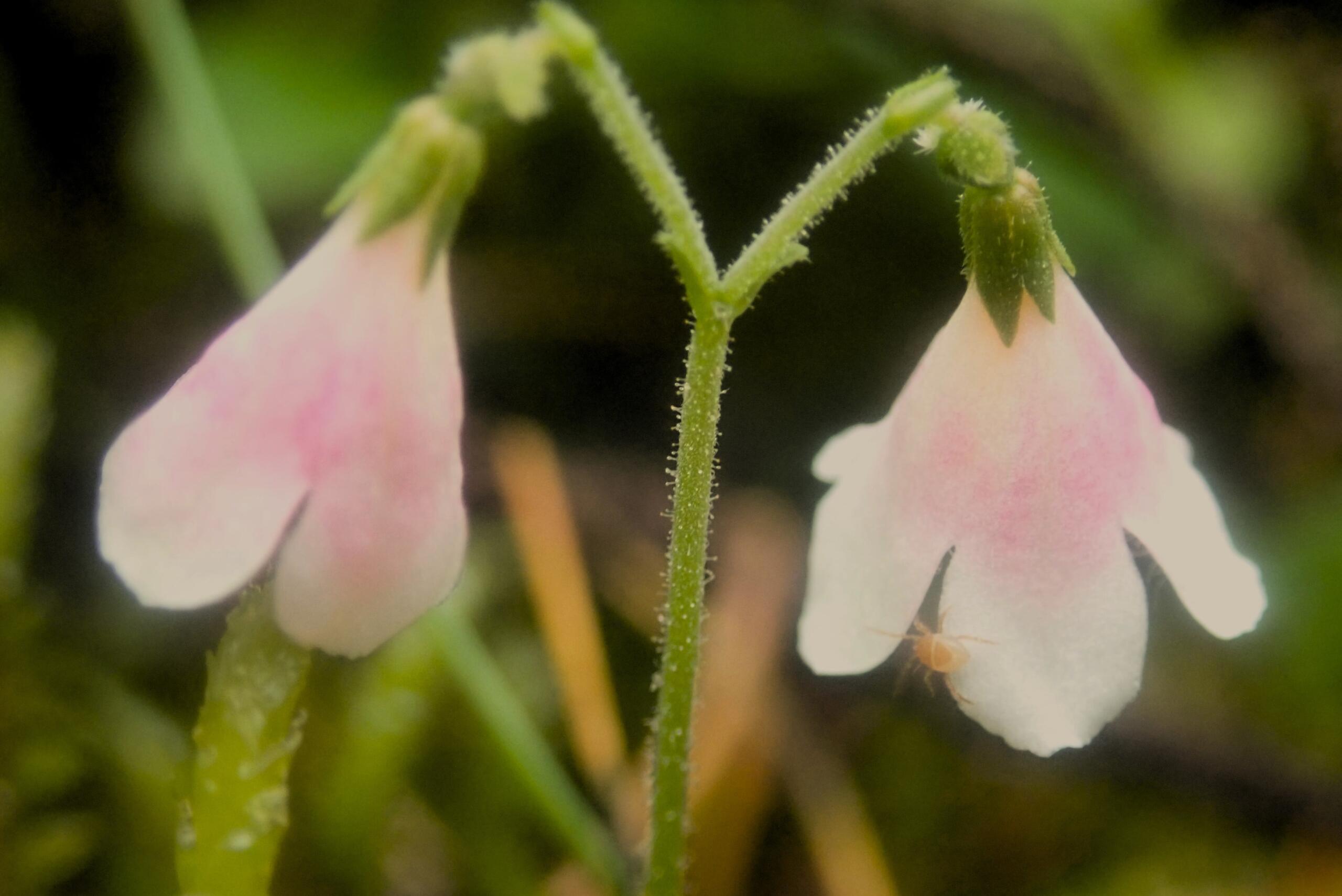
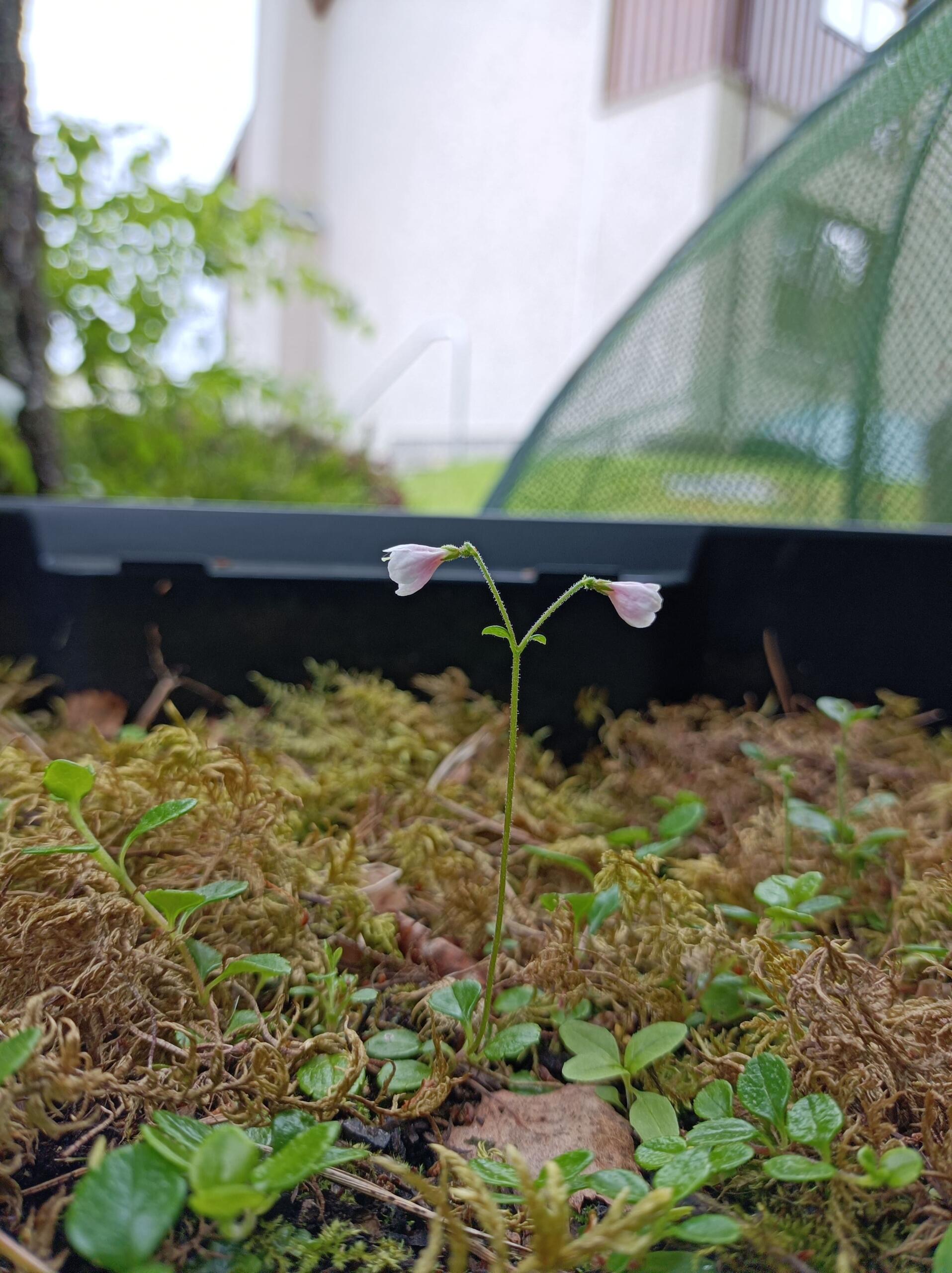
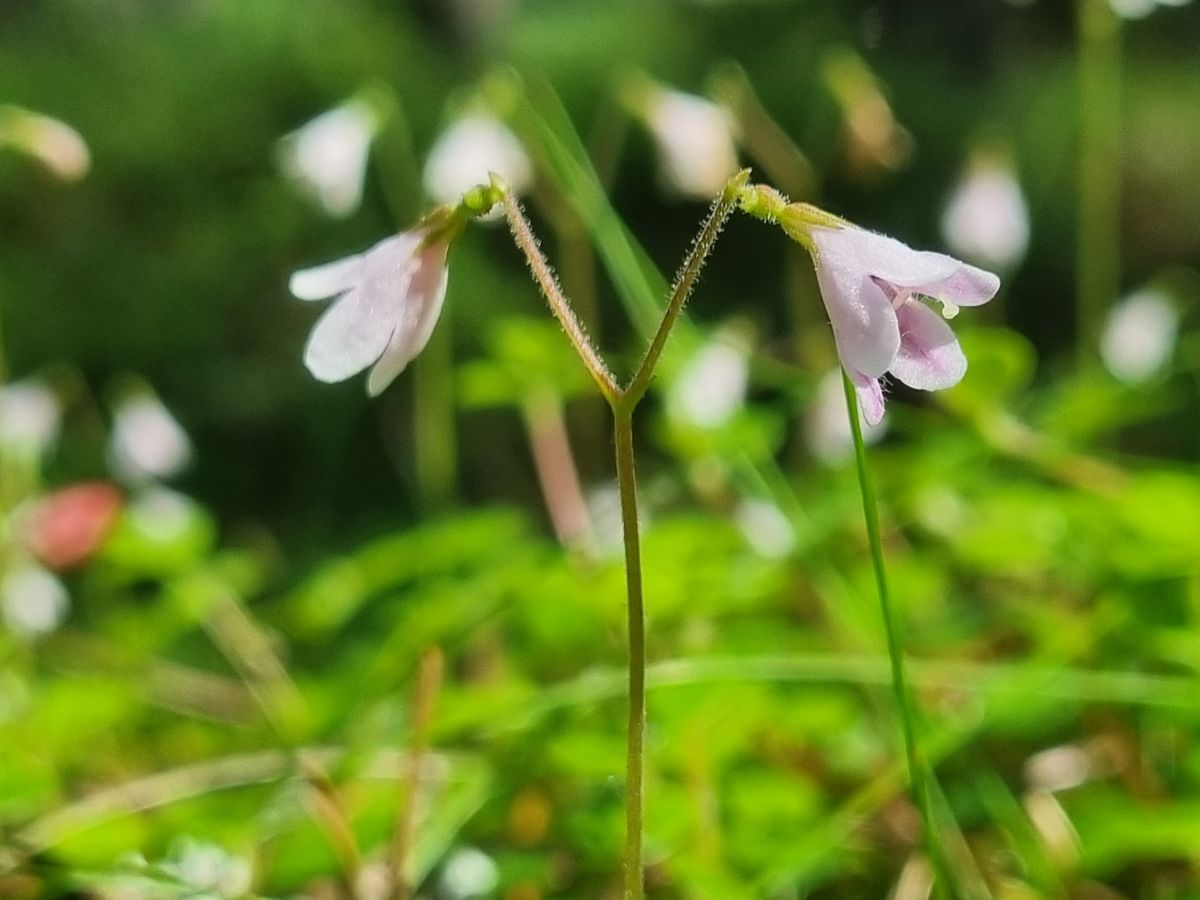
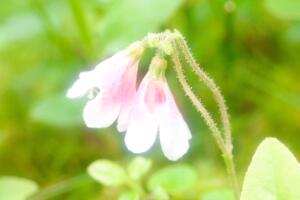
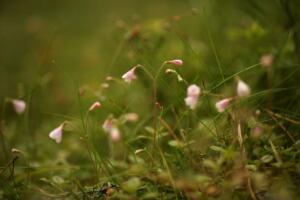
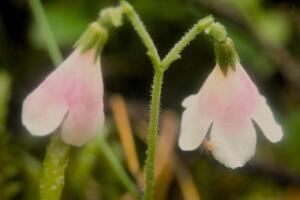
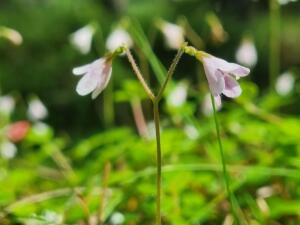
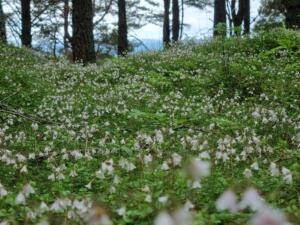
The beautiful ‘Twinflower’ (Linnaea borealis) is one such species in danger of disappearing from Scotland. Over the last two decades, targeted work has begun to protect and restore Twinflower populations in the Highlands.
The Project
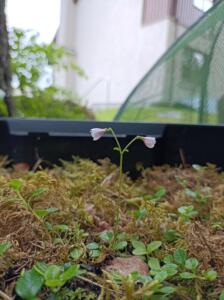
In the Caledonian Pinewoods, Twinflower populations have declined due to habitat loss, and fragmentation of remaining patches. Currently, most Scottish patches have only a single genetic individual, meaning they are unable to reproduce naturally. Without intervention, this species could disappear completely from Scotland.
Plantlife Scotland are leading a community of partners in new approaches to Twinflower restoration, through targeted translocation and habitat enhancement techniques. Translocation involves planting multiple genetically distinct clones together to create viable, self-sustaining populations capable of crosspollination and viable seed production. This results in the establishment of genetically diverse Twinflower populations capable of recolonising suitable habitats naturally. Long-term, the goal is to restore Twinflower to the point where it can once again spread itself sustainable and naturally across the pine woodlands of Scotland.
Community engagement is a key part of the project. Without local people seeing, experience, and working to protect our species, conservation work is not sustainable. Over the two years of this project, around 30 – 40 volunteers will be trained in Twinflower survey and translocation methods. Connecting volunteers – in the Cairngorms and Easter Ross – with their local Twinflower patches will help develop community stewardship and enable the long-term care of this iconic species. We will also explore opportunities to permit those with limited mobility to access rare species, a privilege which is sadly often reserved for others.